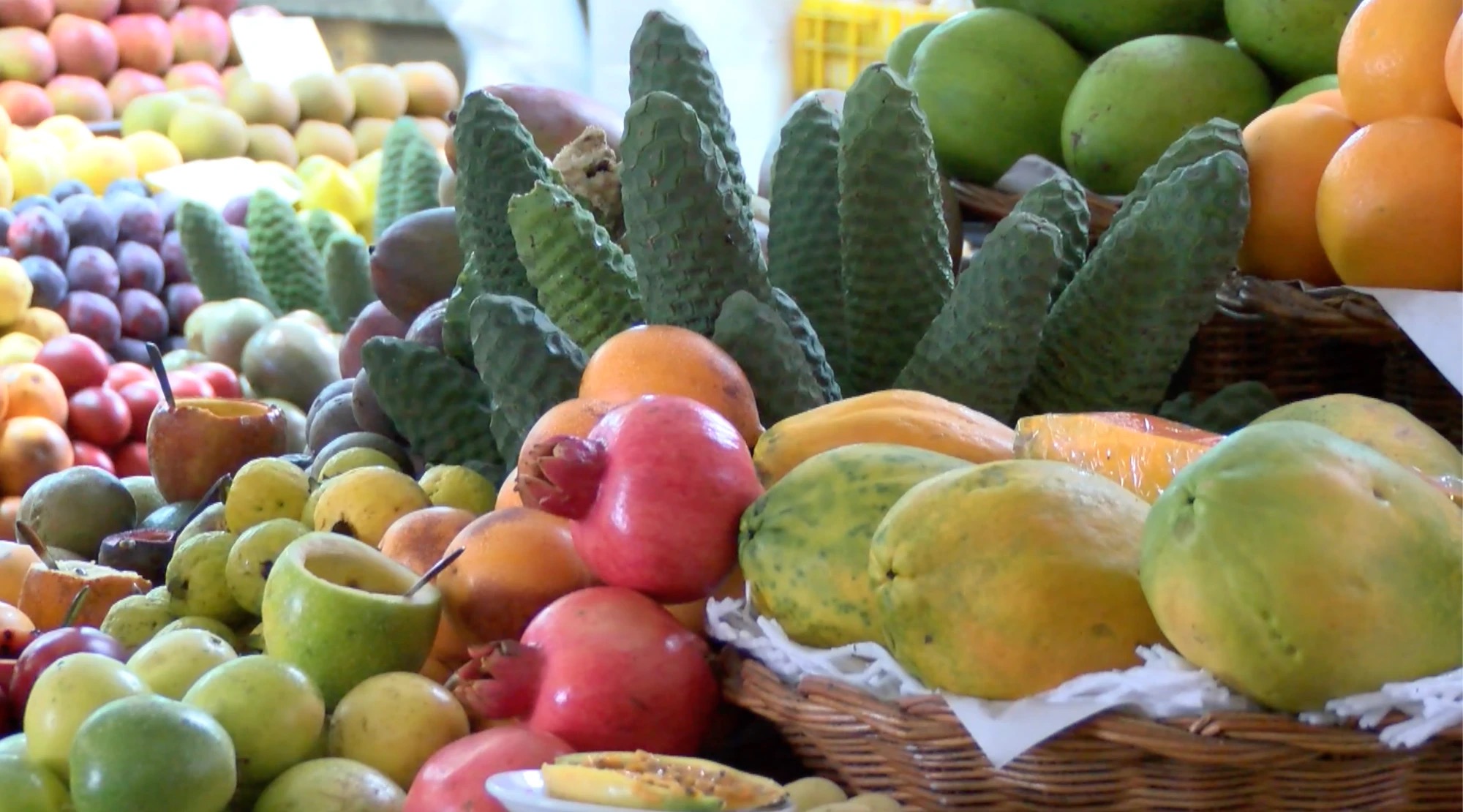
Written for funders and policymakers, as well as nutrition and agrifood professionals, this article looks at how discovering unfamiliar foods could give families more varied, healthy diets and give farmers new customers.
The full article, with all 23 sources, is free to download and share.
A green fruit few have tasted
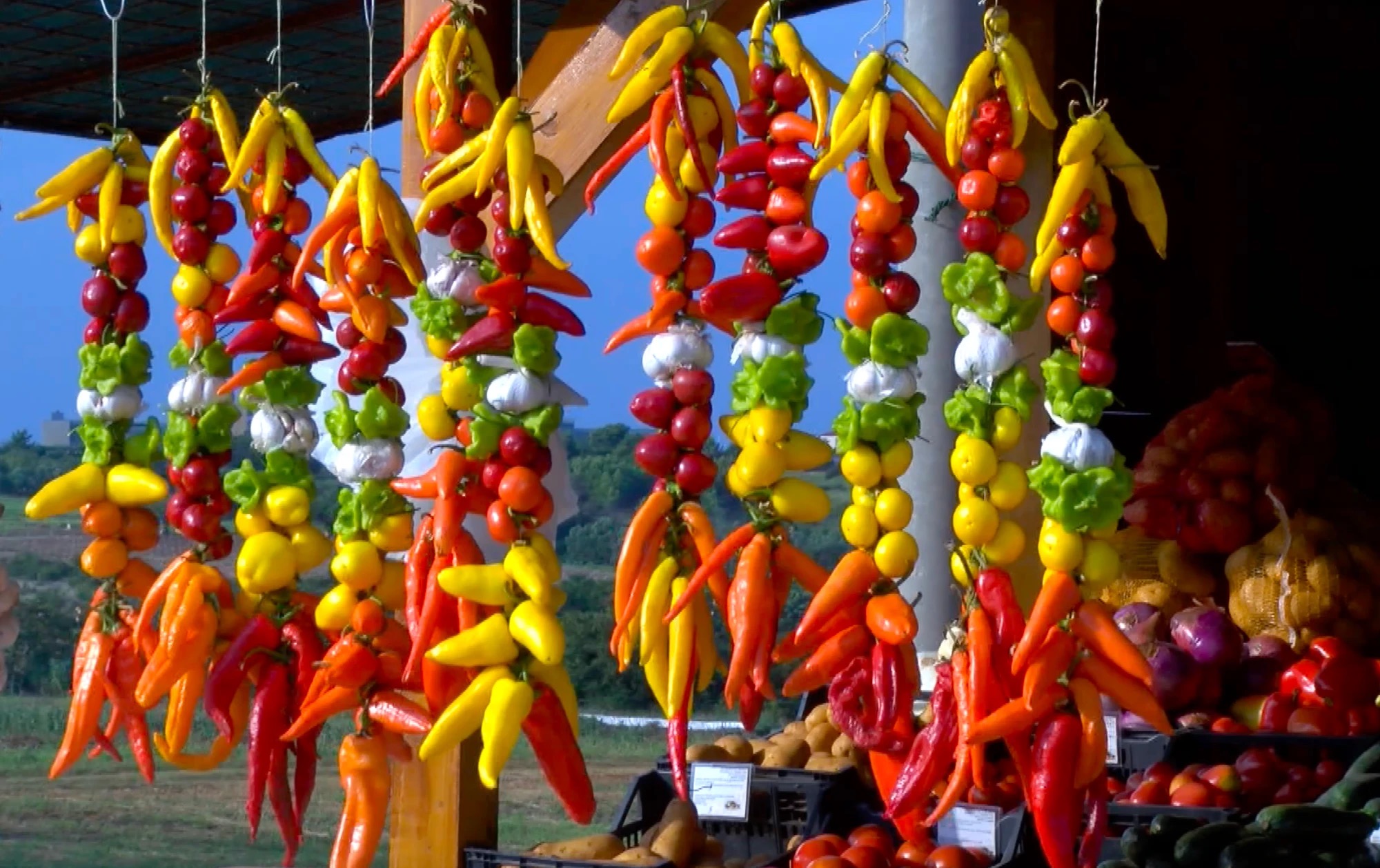
At the centre of the market stall photo above sits a strange green fruit. It is not a cucumber. It is fruto delicioso, grown on Madeira, one of the EU's outermost regions. The island lies far out in the Atlantic Ocean, almost 1 000 kilometres from mainland Europe. Its plant, the Monstera deliciosa, is a familiar European houseplant, but indoors it rarely fruits, so few have ever seen one.
Once ripe, its skin lifts to reveal juicy, surprising segments that blend tropical tastes of banana and pineapple. It comes from Mexico and Central America, yet Madeira's frost-free island climate lets it grow outdoors. I have never seen it sold elsewhere, but those who try it want more.
Untasted, unsold
Taste, an underused tool for sustainable agrifood systems promotes the idea that describing food by its flavour can do more for healthy diets than describing it by its health benefits. Unfamiliar foods take that idea a step further.
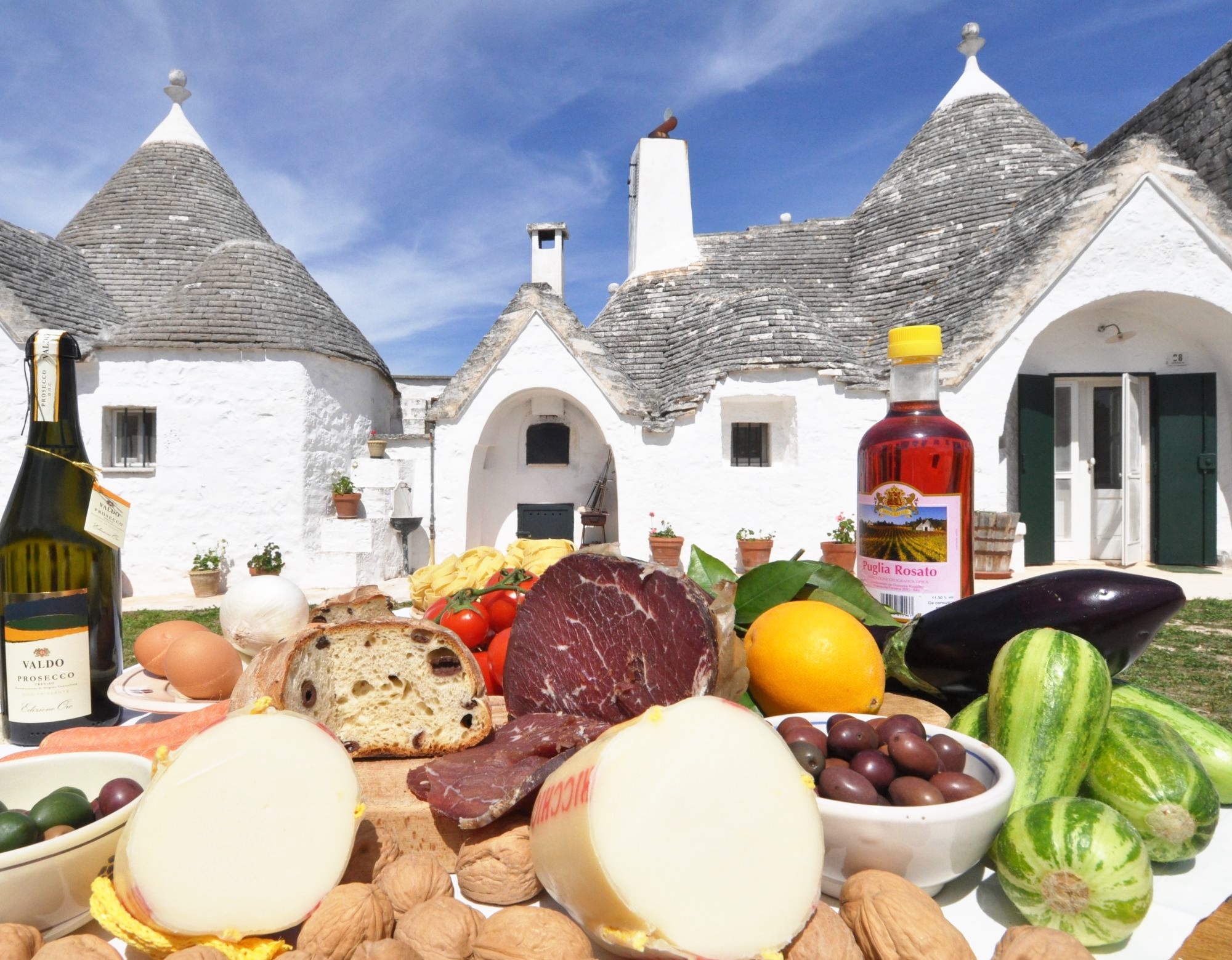
Every country I have lived in has speciality foods loved at home yet almost unknown a few hundred kilometres away, and islands have more than most. That gap is a missed market. Most places have overlooked foods, often so familiar locally that nobody thinks to share them.
But when consumers try food from other regions, farmers there gain customers. Technology now lets nearly any village grower reach shoppers on another continent.
Variety is good nutrition
Health messages alone rarely change eating habits, as nutrition teams know. The World Health Organization (WHO) advises everyone over ten to eat at least 400 grams of fruit and vegetables a day. Good diets help protect against malnutrition in all its forms, as well as diabetes, heart disease, stroke and cancer. Yet only about one in eight Europeans aged 15 or over currently eat five portions a day. For children, WHO recommends 250 grams or more from age two.
Quantity is just half the story. Nutritionists also look at variety, because every food brings its own mix of vitamins, minerals and fibre. FAO measures it with a simple indicator for women, whether they ate at least five of ten food groups the day before, as a guide to how well their diet supplies micronutrients. Each extra kind of fruit or vegetable on the plate can count towards those groups and bring nutrients a diet may lack. Discovering a new dish or ingredient is the easiest way to add to it, through curiosity and pleasure.
Finding a different flavour gives people a reason to buy nourishing produce they would otherwise walk past, and the habit can last. My ministerial paper for FAO on food value chains for nutrition, in force to 2031, agrees.
Discovery is a practical nutrition tool, and it pays farmers too.
An untapped library of flavours
Europe's food and drink products include more than 3 700 protected names, known as geographical indications (GIs), each linked to a local village, valley or region, and often a traditional recipe. They earn over €75 billion a year, 15.5% of EU agri-food exports.
Every name is listed in eAmbrosia, the official record, and in GIview, run with the EU Intellectual Property Office. The EU's landing page spotlights these foods with striking photographs, stories and dishes – it seems a good model for any continent. Qualigeo, an independent database from Italy's Qualivita Foundation, gives each one a page, like Sicily's Pachino tomatoes, famous for being ripe and naturally sweet when still dark green.
eAmbrosia, shared across 27 countries, holds something even more useful. All protected food names come with an official description of each product's look, taste and origin, written and checked during registration. Together they form one of the world's largest libraries of taste descriptions, ready for menus, stalls and school meals. It could now help sell these foods better too.
Many of these are exactly the foods nutritionists want people to eat more of, from Azores pineapple and Canary Islands avocados to Armagh Bramley apples. The EU protects GI names from beyond Europe, and partners protect European names in return. Café de Colombia was first, in 2007. Once Cambodia's Kampot pepper joined in 2016, its GI exports more than tripled. Search tools could sort foods by health and place, and major funders like the EU or UN could steer promotion budgets towards healthy protected foods at little extra cost.
An idea that travels
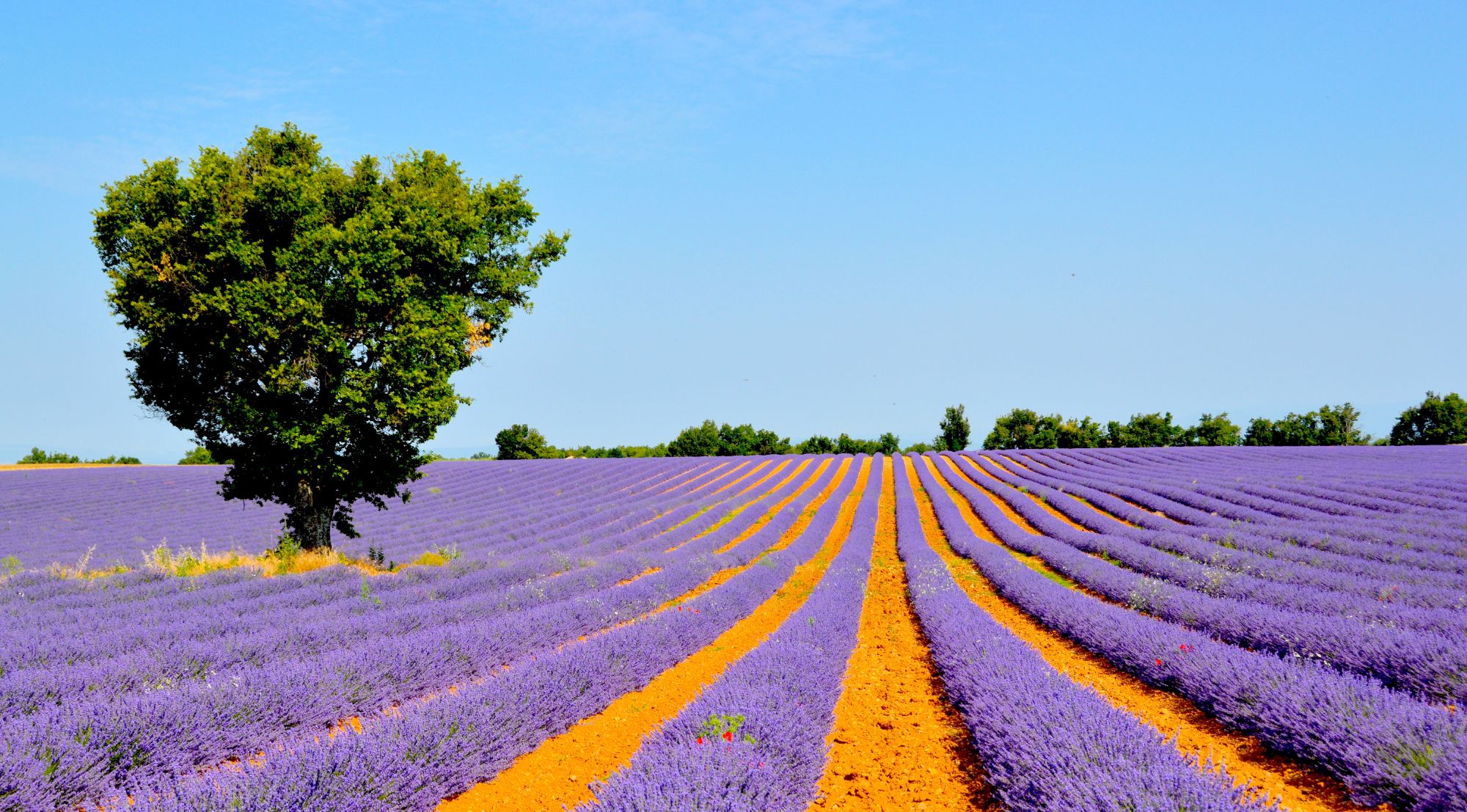
Caribbean and Pacific islands grow foods found nowhere else, as does every corner of the globe. Few besides the EU present them in one place.
Each could have its own catalogue and landing page, helping farmers reach visitors and export buyers. Their best foods could repeat Kampot pepper's success.
Ultimately, product pages might also carry one simple score combining taste, authenticity, nutrition and, in time, sustainability. In Europe, AI can draw on the 3 700 names for ten years of daily posts on whichever channels are most popular locally, from Instagram and TikTok to Telegram, each sharing a new healthy flavour. Producers would want to be listed, because being discovered sells. Unlike many health campaigns, nobody has to be pushed. This could sell itself. The EU's Enjoy, it's from Europe brand has proved itself, and Enjoy, it's from the Caribbean or the Pacific could too.
One of the world's largest taste libraries is already ready. It just needs unlocking.
Labels turn curiosity into sales
Shoppers facing an unfamiliar fruit want to know what it is, whether it is healthy and where it comes from. EU labels, including GIs, answer in seconds, which gives farmers and whole value chains a strong interest in them.
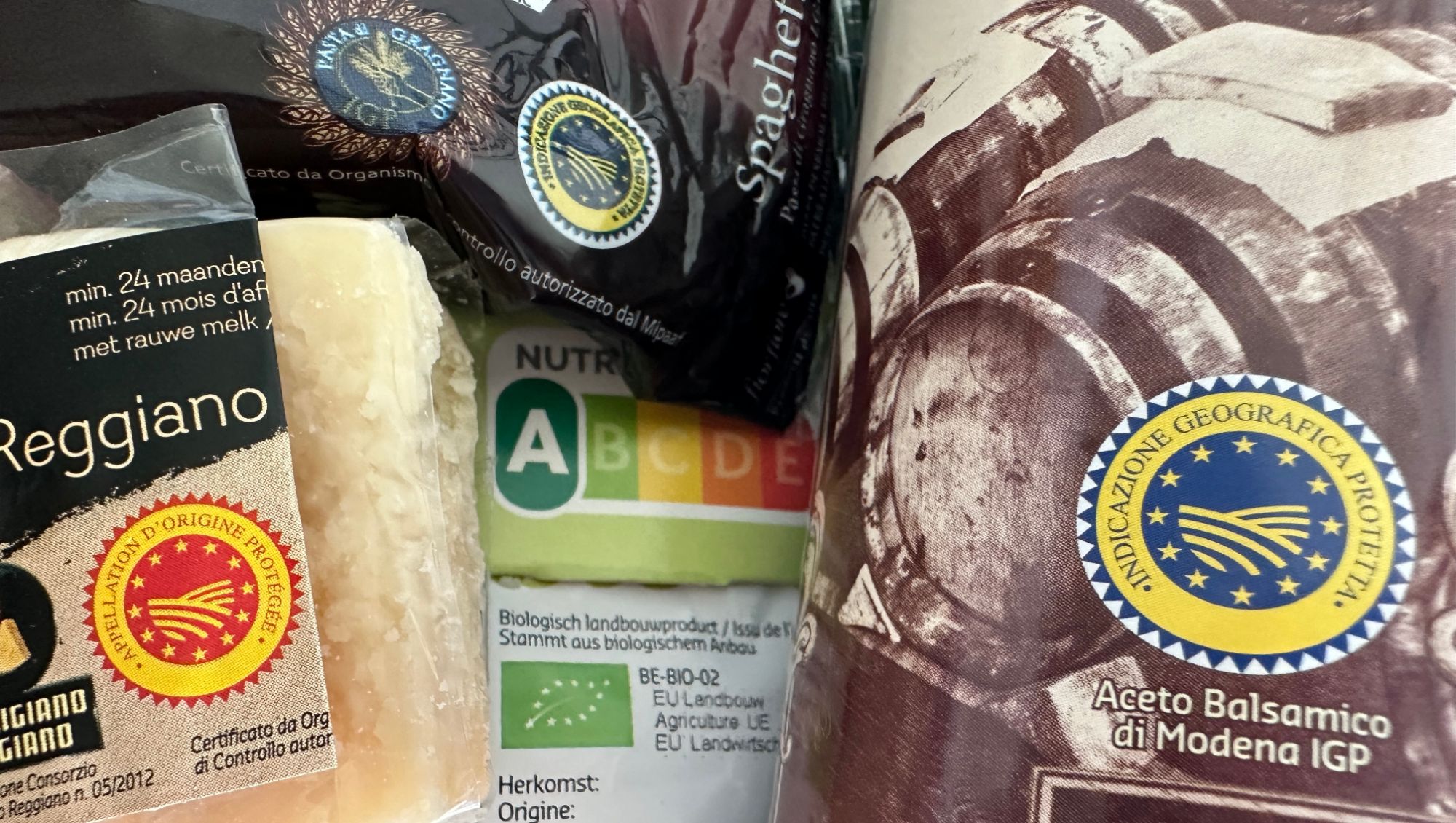
Nutri-Score in Europe also tells shoppers what is healthy. Adding a protected name and flavour note would say why to try it. Helpfully, most protected fruit, vegetables and fish rate well. A broader food score covering taste, nutrition and the planet could make good choices a treat (though cheese and cured meat makers may hesitate).
Food tastes of home
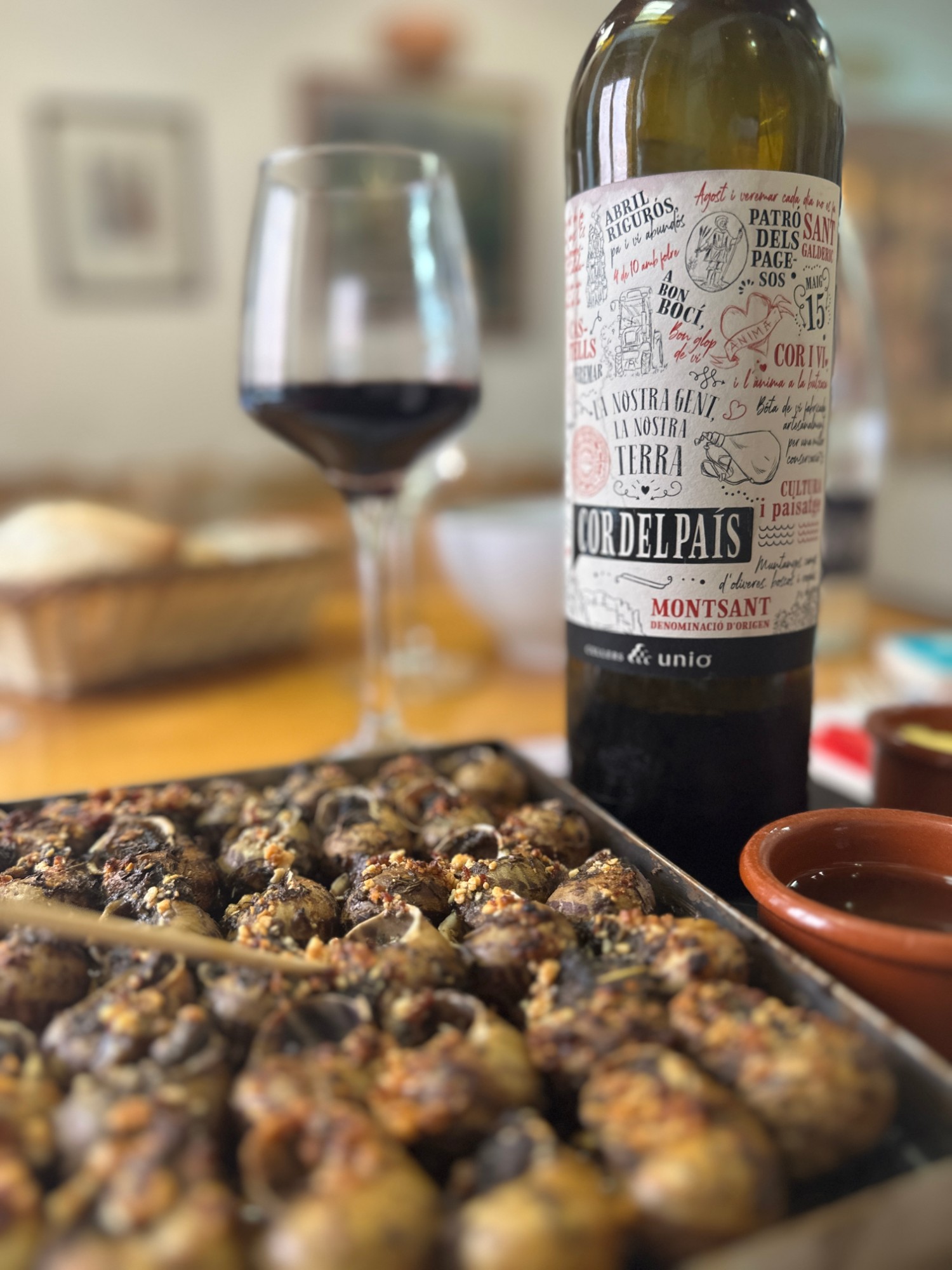
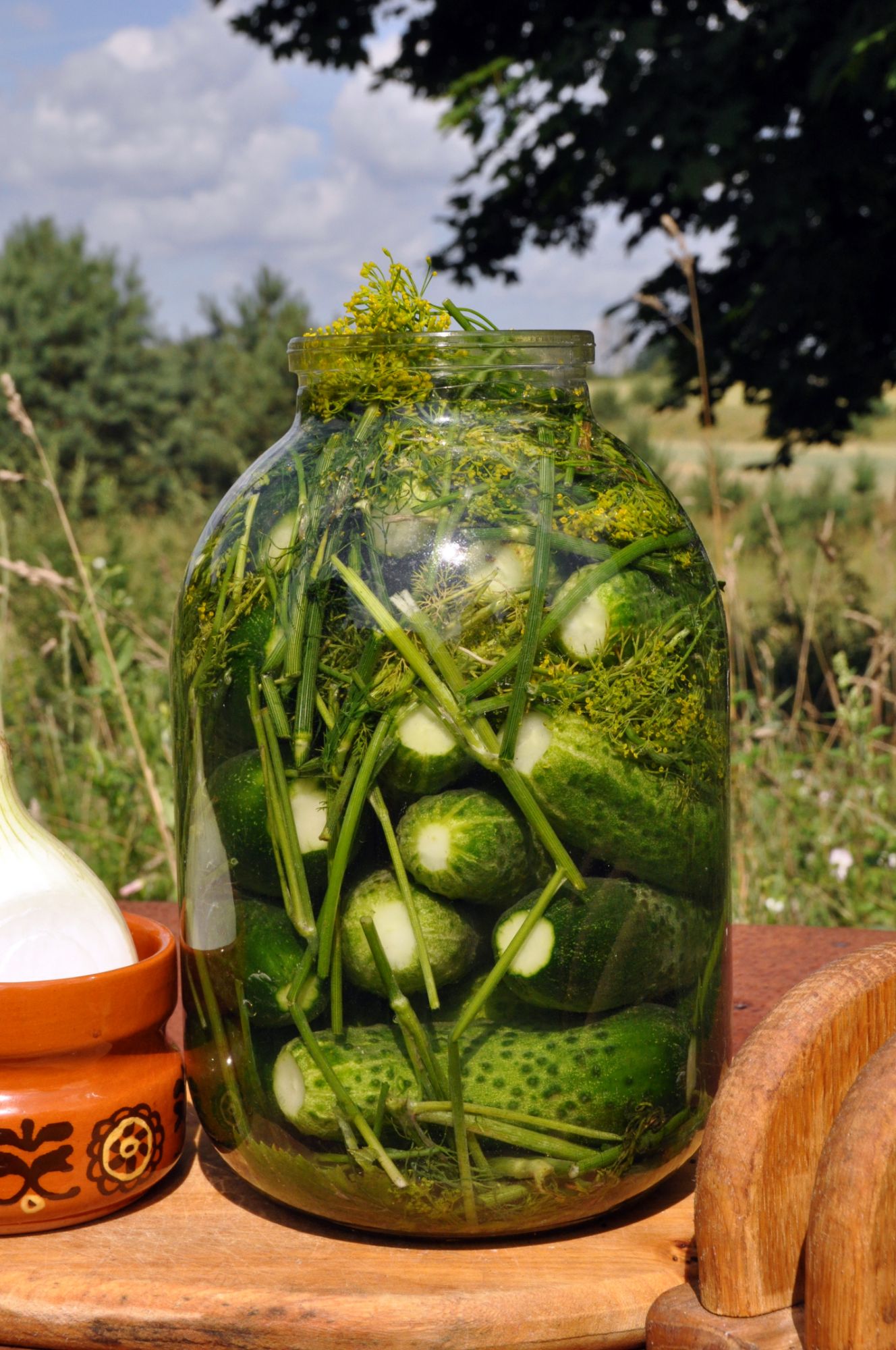
Labels also speak to those who have moved away. People living abroad look for the foods they grew up with and may gladly pay more. In Lithuania's countryside and homes, for example, cucumbers in tall jars, pickled with fresh garden herbs, remind Baltic people of home.
A label shoppers trust, worldwide
Nutri-Score holds a lesson well beyond Europe. France introduced it, and Belgium, Germany, Spain, the Netherlands, Luxembourg and Switzerland now recommend it. Talks on one EU label continue. Shoppers and retailers are not waiting, as a coloured letter reads in a second. As often, the market moves faster than the politics.
Elsewhere, each region adapts the idea in its own way. In South America, Chile used black warning labels to help cut purchases of high-sugar drinks by almost a quarter. Singapore grades beverages from A to D with its Nutri-Grade mark. Where fruit and vegetables are sold loose, as in many open markets worldwide, a certified sign on a stall, shop shelf or school canteen could carry the same message as a pack. Without independent checks, any seller could call food healthy. Formats differ, yet one simple signal can work everywhere.
For anyone funding nutrition, a shared label is a public good. Paying once for a robust design, with clear rules on who controls its algorithm, reaches more families than spending product by product.
An EU CAP Network Policy Insight, Nurturing better nutrition through networking, showed how farm policy can support both supply of and demand for nutritious food, helped by local groups and advisers. Two good practices show it at work. In Portugal's Algarve, a LEADER group's food education reached 1 755 students, teachers and school staff. Romania's young women farmers used CAP investment to supply fresh vegetables all year. Counting people reached makes results easy to report.
What countries can borrow
- Join national food lists into one regional showcase, with FAO or UNDP coordinating.
- Reach critical mass, as Europe has, with enough foods for a decade of daily healthy food discoveries.
- Be ambitious. Fund one shared label showing food is good for you and the planet, so farmers grow more.
- Promote “reformulation”, as FoodDrinkEurope does across Europe for health, taste and sustainability.
- Cover the basics, tastings for shoppers, producer groups for small farms.
- Lead with foods that taste good and do good. Healthy food then sells itself.
Describe food by its taste first, then show its nutrition.Discovering more of the world's flavours can feed more people and more farmers. #Food4Thought
Sources
These public sources are listed for readers, researchers and journalist colleagues who may wish to follow their own angles.
- Regional products, Visit Madeira
- Monstera deliciosa fruit, characterisation, Portuguese study
- Taste, an underused tool for sustainable agrifood systems, Tim Hudson, LinkedIn, 2026
- Healthy diet, World Health Organization
- Guidance on product reformulation and innovation, FoodDrinkEurope
- Nurturing better nutrition through networking, EU CAP Network Policy Insights, 2022
- Make Smart Food Choices, Portugal, EU CAP Network
- Female farmers upscale vegetable production and nutrition, Romania, EU CAP Network
- eAmbrosia, EU geographical indications register, European Commission
- Enjoy, it's from Europe, European Commission
- Nutritional habits statistics, Eurostat
- Nutri-Score, Santé publique France
- ERC/22/3, Sustainable food value chains for nutrition, FAO, 2022
- Minimum Dietary Diversity for Women, FAO
- Geographical indications food and drink, European Commission
- Qualigeo, independent database of protected products, Fondazione Qualivita
- More than 3 700 geographical indications, EU Reporter
- GIview and the GI hub, EUIPO
- Café de Colombia, Regulation 1050/2007, EU
- Cambodia's Kampot pepper, FAO
- Chile's food labelling law and beverage purchases, Taillie et al., PLOS Medicine, 2020
- Nutri-Grade, Health Promotion Board, Singapore
- Nutri-Score and Dutch food supply, 2018 to 2020, PubMed Central