Work fields · Nature, climate and biodiversity
Making the value of nature visible, so it gets paid for
Thirty years of nature, climate and biodiversity work, from paying farmers for nature results to valuing ecosystem services and funding habitat improvements. Most recently, Tim screened New European Bauhaus projects for water resilience for the Commission’s regional policy department (DG REGIO). It builds on eight years of reporting on the EU LIFE programme and on environmental science studies.
From water resilience to the value of nature
The latest assignments put a clearer value on nature. For DG REGIO, the New European Bauhaus Water Resilience prize screening assessed flood, drought and green space projects across Europe. As a lead writer of the sixth foresight of the EU’s Standing Committee on Agricultural Research (SCAR), inputs covered land and water, diversity and the wider systems value of nature for society.
For the EU Common Agricultural Policy (CAP) Network, good practice and Policy Insights cover eco-schemes, carbon farming, agroforestry, wildfire resilience, pollinators and genetic resources. Climate work for UNDP Maldives and FAO takes the same thinking well beyond the EU, to islands and partner countries.
All of it rests on environmental science studies in ecology, forest ecosystems, nature conservation and environmental impact assessment. Hands-on habitat, forestry and water projects in EU rural and regional programmes since 1994 add practical experience. The LEADER II years around Loch Ness already meant working with LIFE colleagues, on footpath networks, community forest buyouts and projects with young people.
Results-based payments reward farmers for the biodiversity they actually deliver, rather than for the actions they carry out. Input to the Commission’s toolbox and five films for the European Parliament and DG Environment show how it works on real farms.
From Irish farmers to Sámi reindeer herders protecting wolverine dens above the Arctic Circle, the films follow people paid for the nature their land and herds support.
The same principle runs through every assignment. When nature results have a clear value, they can be rewarded and financed.
Watch the overview film →Eight years reporting on the EU’s fund for nature and climate
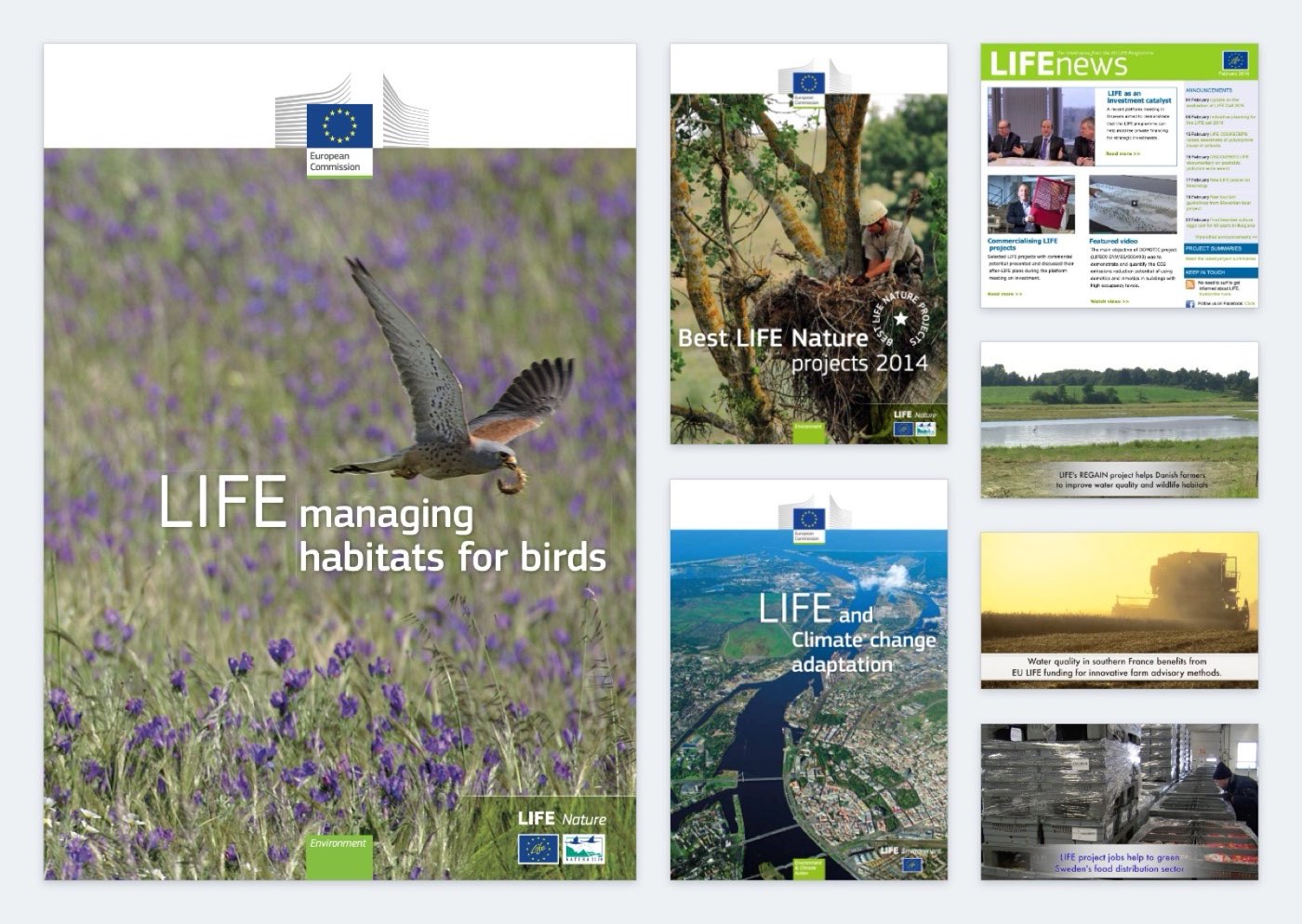
LIFE is the EU’s main fund for nature, the environment and climate action. Eight years of reporting covered its projects across Europe and supported its communication strategy, with donor-level access to project applications and monitoring reports. Reporting took many forms, from researched, written, photographed and filmed features to video productions, social media stories, funding case studies, newsletters and thematic publications. Topics ranged from species, habitats and large carnivores to water, air, pollution, the circular economy and climate action. LIFE film playlist →
“His journalistic work covers a range of science, technology and information approaches to environmental management and nature conservation.”
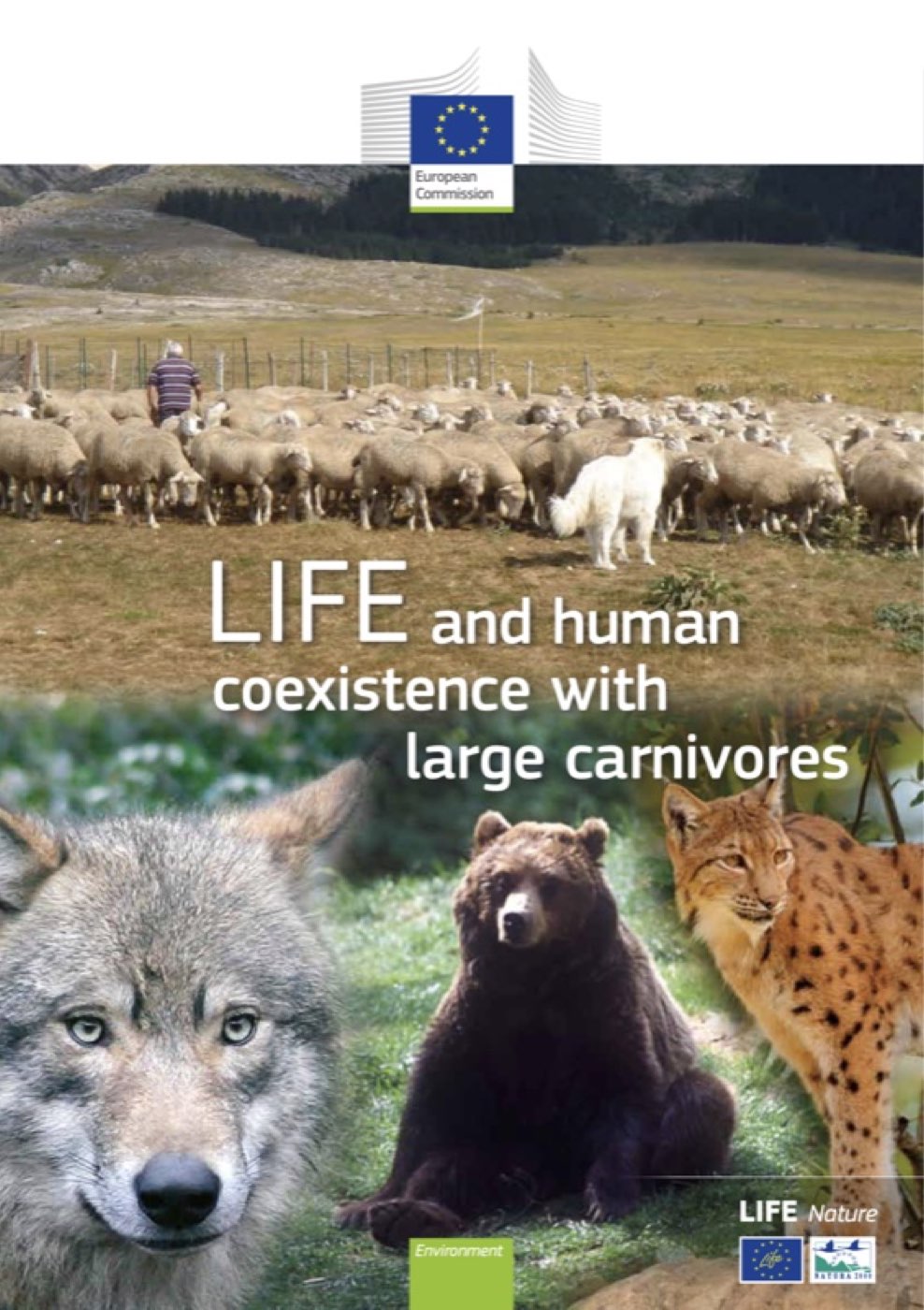 LIFE journal, human coexistence with large carnivores
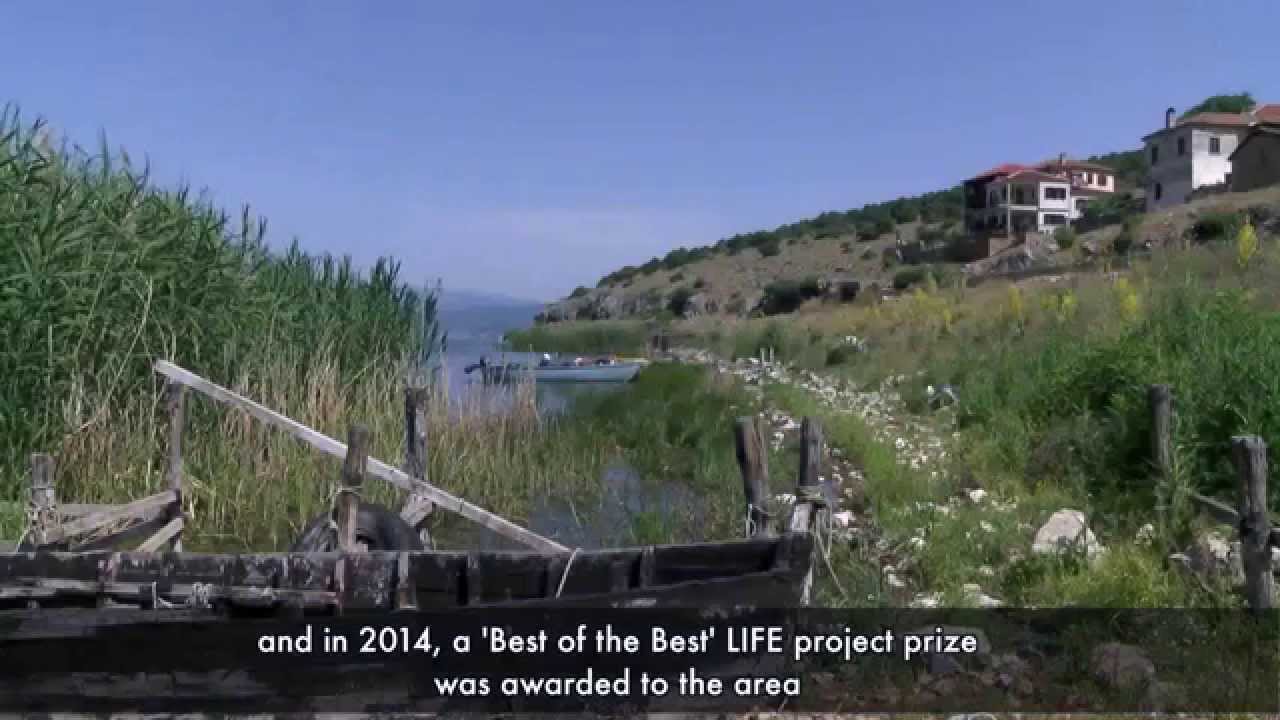 LIFE film, the Prespa lakes’ unique and threatened biodiversity
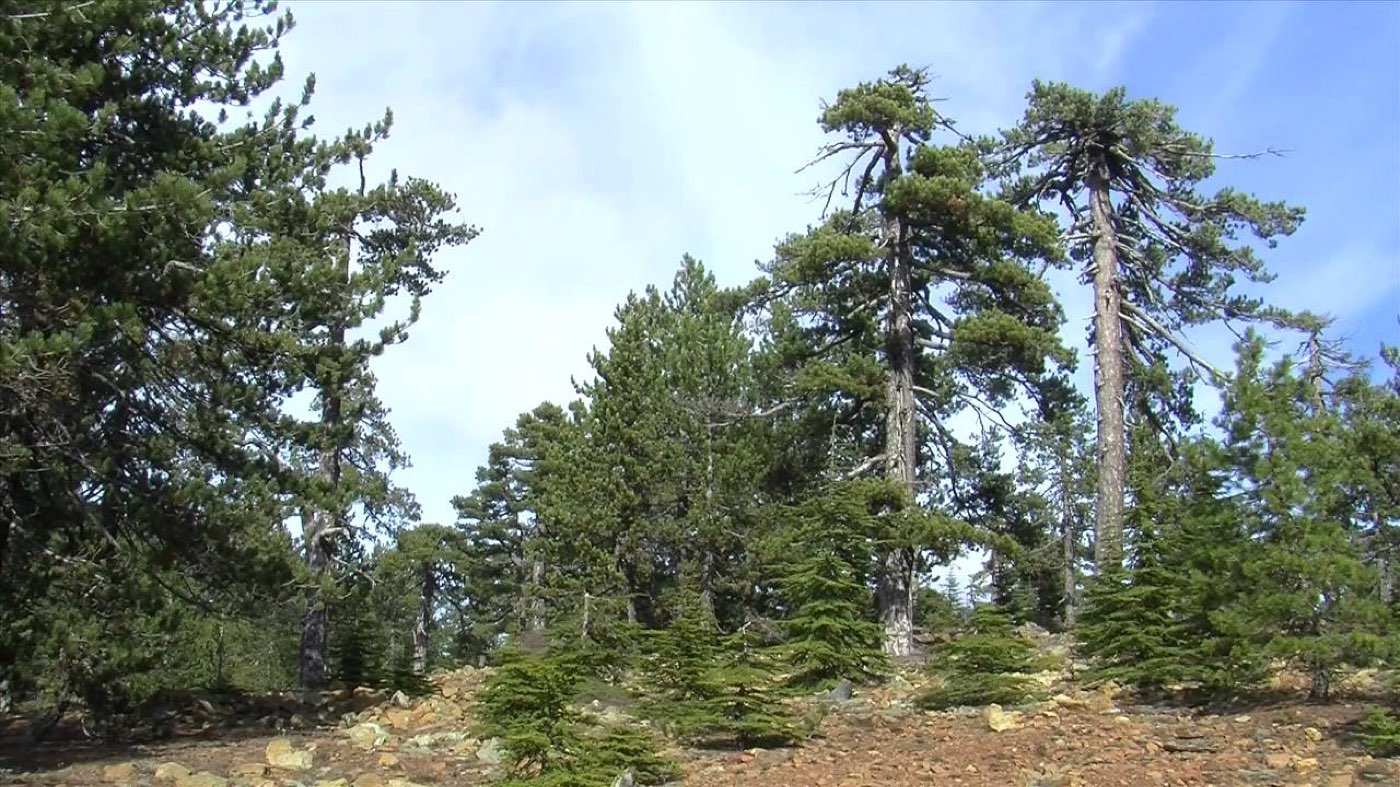 LIFE film, multifunctional forestry in Cyprus
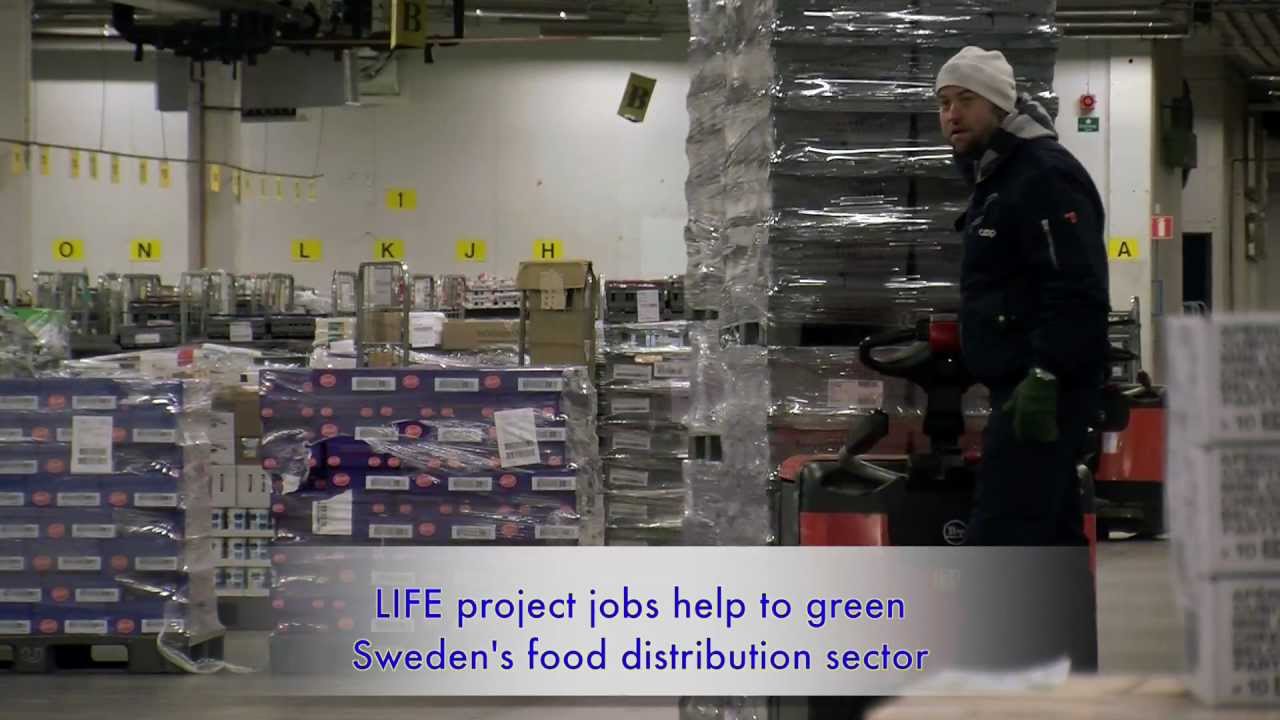 LIFE film, greener food distribution jobs in Sweden
Rewarding farmers for the biodiversity they deliver
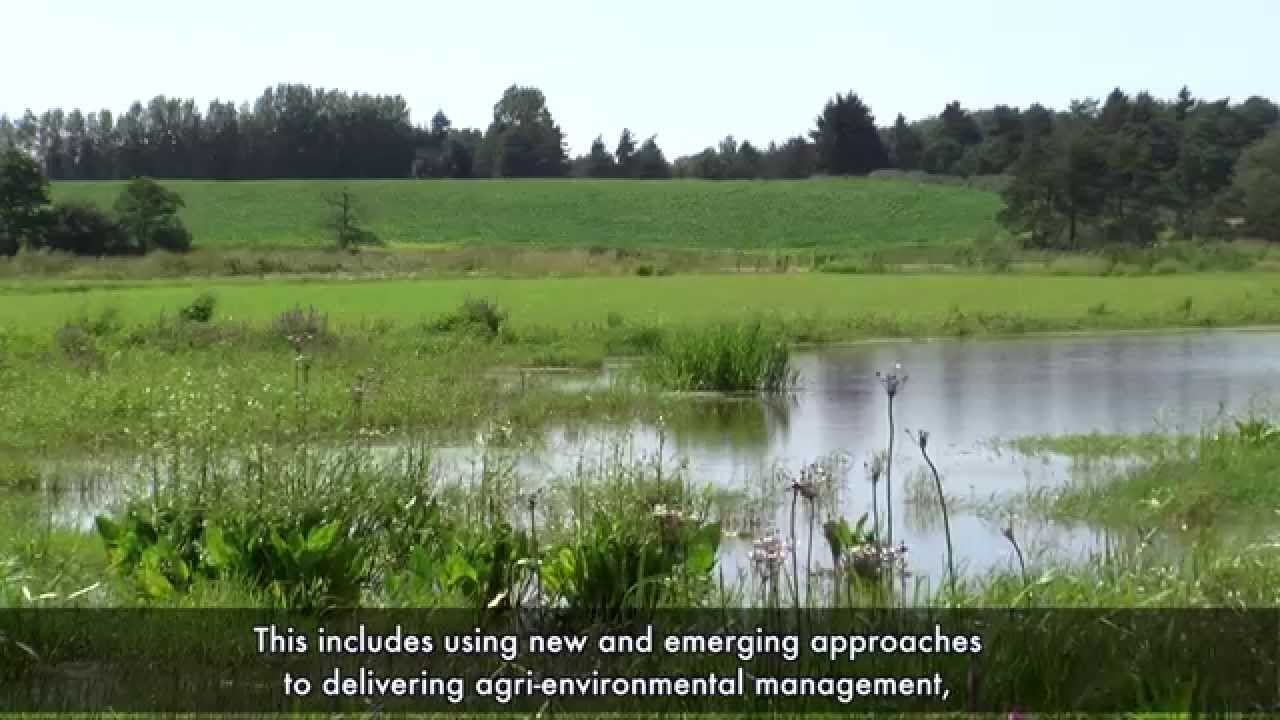 Results-based payments, overview film
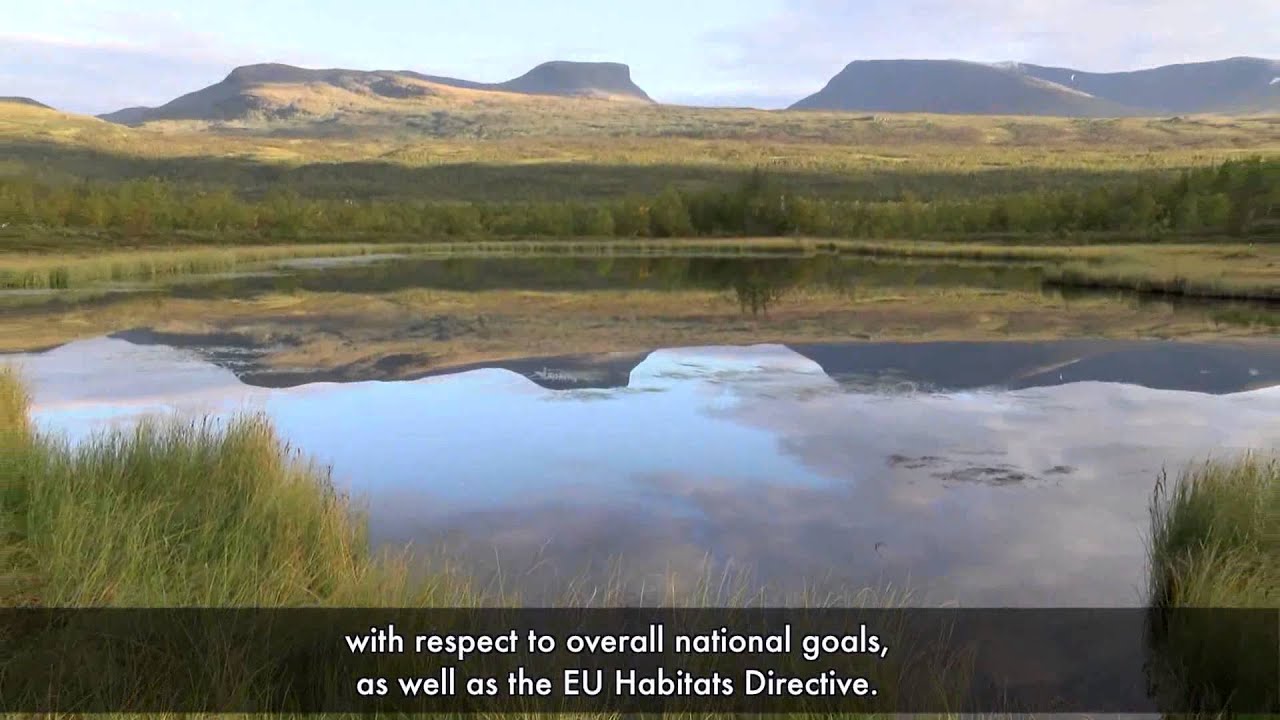 Achieving Arctic biodiversity outcomes
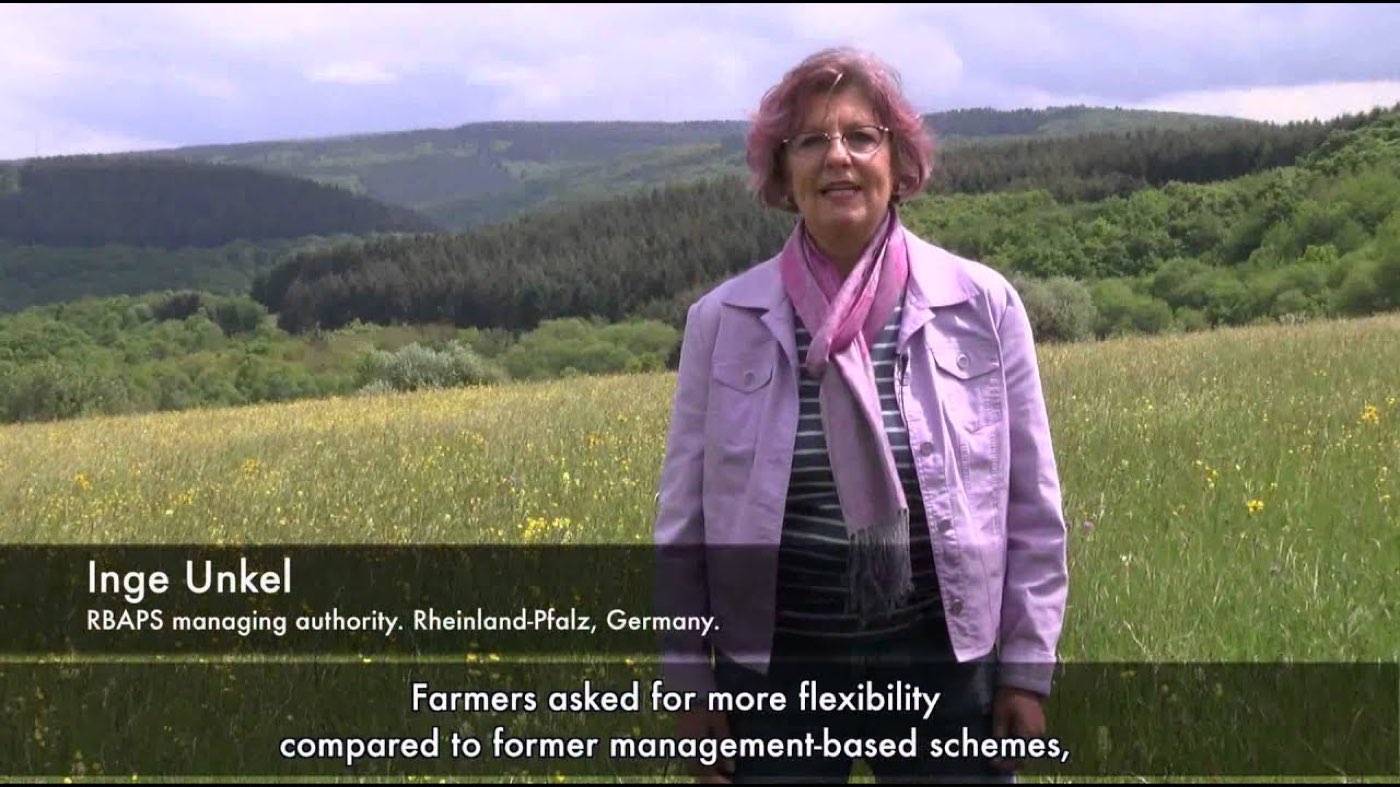 Involving livestock farmers across Europe
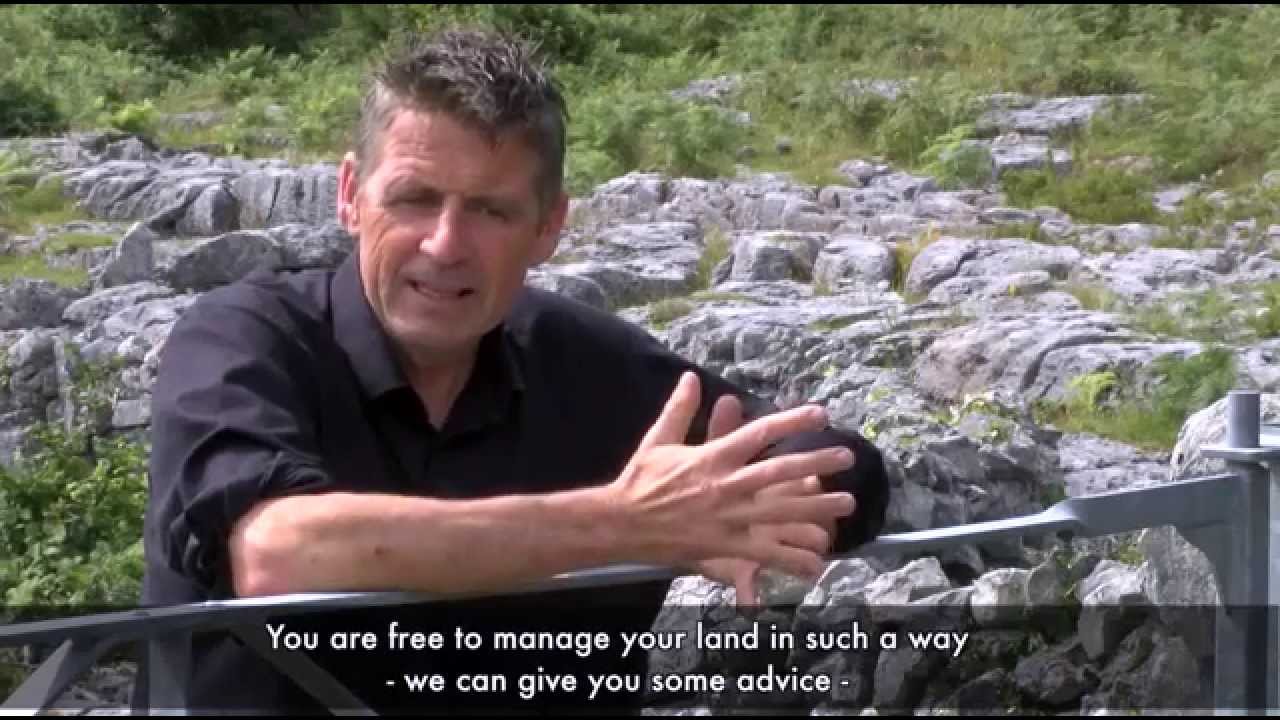 A results-based success story in Ireland
Valuing, reporting and rewarding nature
Water resilience screening
New European Bauhaus projects assessed in depth, with Water Resilience prize screening for flood, drought and green space ideas across Europe. In all, 98 applications were scored for sustainability, inclusion, aesthetics and the quality of their design, with evidence-led scoring cross-checked between applications.
Land, water and systems thinking
Work as a lead writer brought inputs on land and water, diversity and the true value of nature. They went to the sixth SCAR foresight, for DG RTD and DG AGRI. Systems thinking and true cost accounting help show what nature and research are really worth to society.
Eco-schemes and climate practice
Good practice and Policy Insights on eco-schemes, carbon farming, agroforestry, wildfire resilience, pollinators and genetic resources, and many more. Cases from farms and forests across the EU are there for other regions to copy. They run from controlled grazing that cuts forest fire risk to new water wells and nature-based fire barriers.
Climate finance and food systems
Editing for UNDP Maldives on climate finance, loss and damage and island resilience, and FAO briefs aligning food systems with climate agendas in 17 countries. For Arctik, a Brussels communication agency, a technical Joint Research Centre study on Do No Significant Harm became concise plain English with illustration concepts.
Paying farmers for biodiversity
Toolbox input and five films on paying farmers and herders for verified biodiversity results, a nature finance tool that rewards outcomes rather than actions. The films for the European Parliament and DG Environment cover effective scheme design, involving livestock farmers and measuring results, with field cases from Ireland to the Arctic.
EU nature laws at work
Eight years of LIFE reporting on Natura 2000, habitats, species, water and climate action, showing EU nature laws and biodiversity strategies in practice, with donor-level access to project files. Features, videos, social media, LIFEnews and project stories made the results clear to the public and policy makers.
Well suited to carrying tested EU thinking into UN funds. Results-based payments, ecosystem service values and ‘big ticket’ patient capital for nature combine with UNDP and FAO evaluation and policy experience. Together they bring fresh options to the design, management and evaluation of Global Environment Facility (GEF) and other UN nature and climate projects.
What it offers