Work fields · FAO food systems
Food systems policy that reaches ministers, UN teams and 53 countries
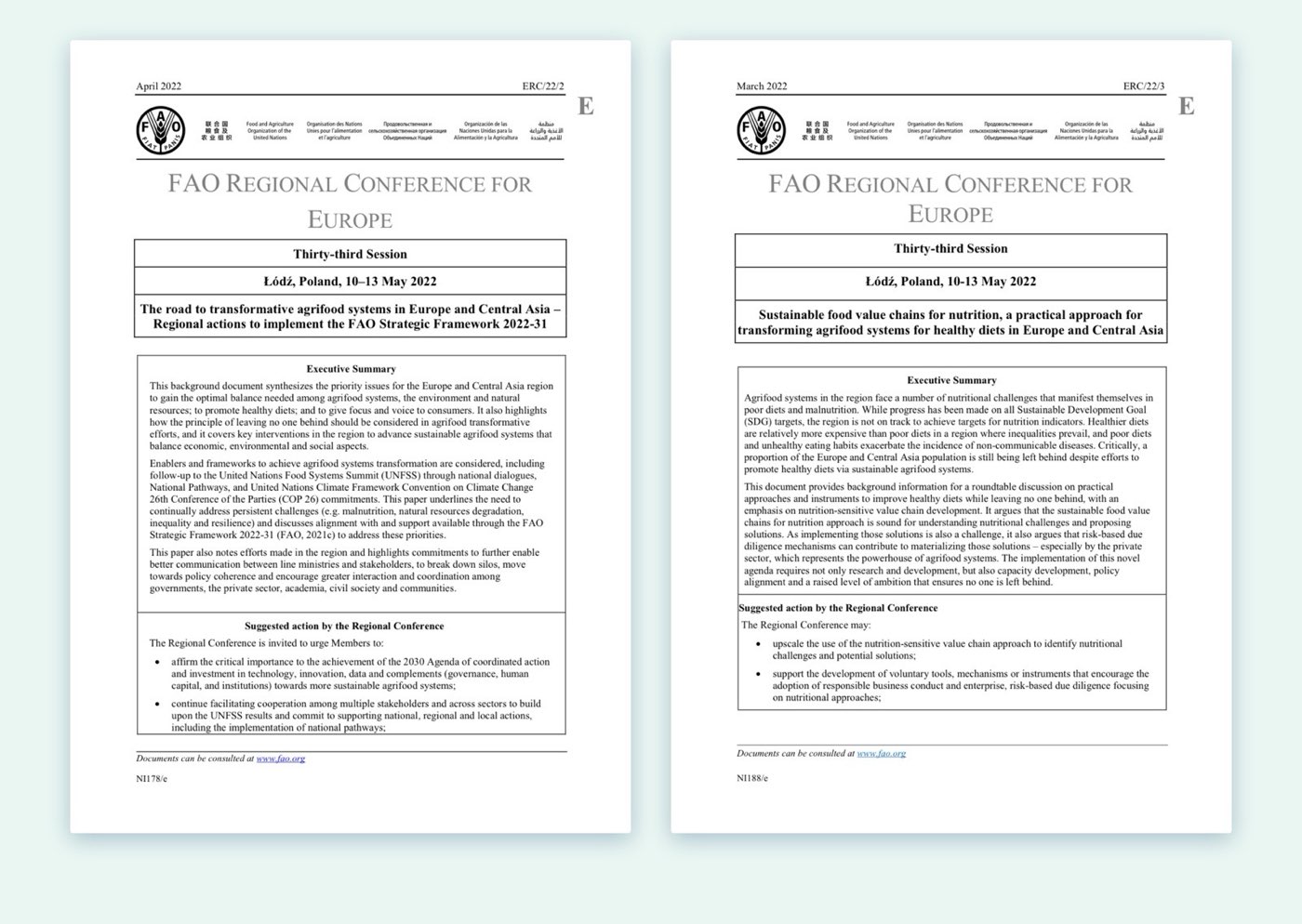
Ministerial papers for the FAO Regional Conference for Europe, which brings together 53 member countries, and a UN coalition brief on the war in Ukraine’s food impacts. A food and climate brief followed for 17 countries, and syntheses shaped Kazakhstan’s Convergence Action Blueprint, the first pilot of its kind. Each one turned evidence into actions governments can take, written to FAO standards.
From national climate plans to Kazakhstan’s Blueprint
Most recent FAO work shaped Kazakhstan’s Convergence Action Blueprint, distilling a mass of scattered national data into its priorities. Kazakhstan led as the first pilot country, with FAO, the UN Food Systems Coordination Hub and a UN coalition behind it. Agriculture now sits inside national climate policy, not the other way round.
In 2024, a co-written brief showed decision-makers, parliamentarians and climate focal points in 17 countries how to build food systems into climate plans. Co-writing covered food systems views, systems thinking, contexts and conclusions, plus a protein transition example with a livestock case study.
Across five FAO assignments, topics reach well beyond farming, from One Health and food loss to responsible investment, social protection and young people. National Pathways from the UN Food Systems Summit tie them together, with policy coherence between ministries and foresight for shocks still to come.
Linking food systems with climate action runs through EU work too, from EU Common Agricultural Policy Network Policy Insights and good practice to inputs as a lead writer of the sixth foresight of the EU’s Standing Committee on Agricultural Research. Advice was also prepared for Uzbekistan’s Ministry of Agriculture, and FAO has selected Tim for its LEADER roster for Montenegro.
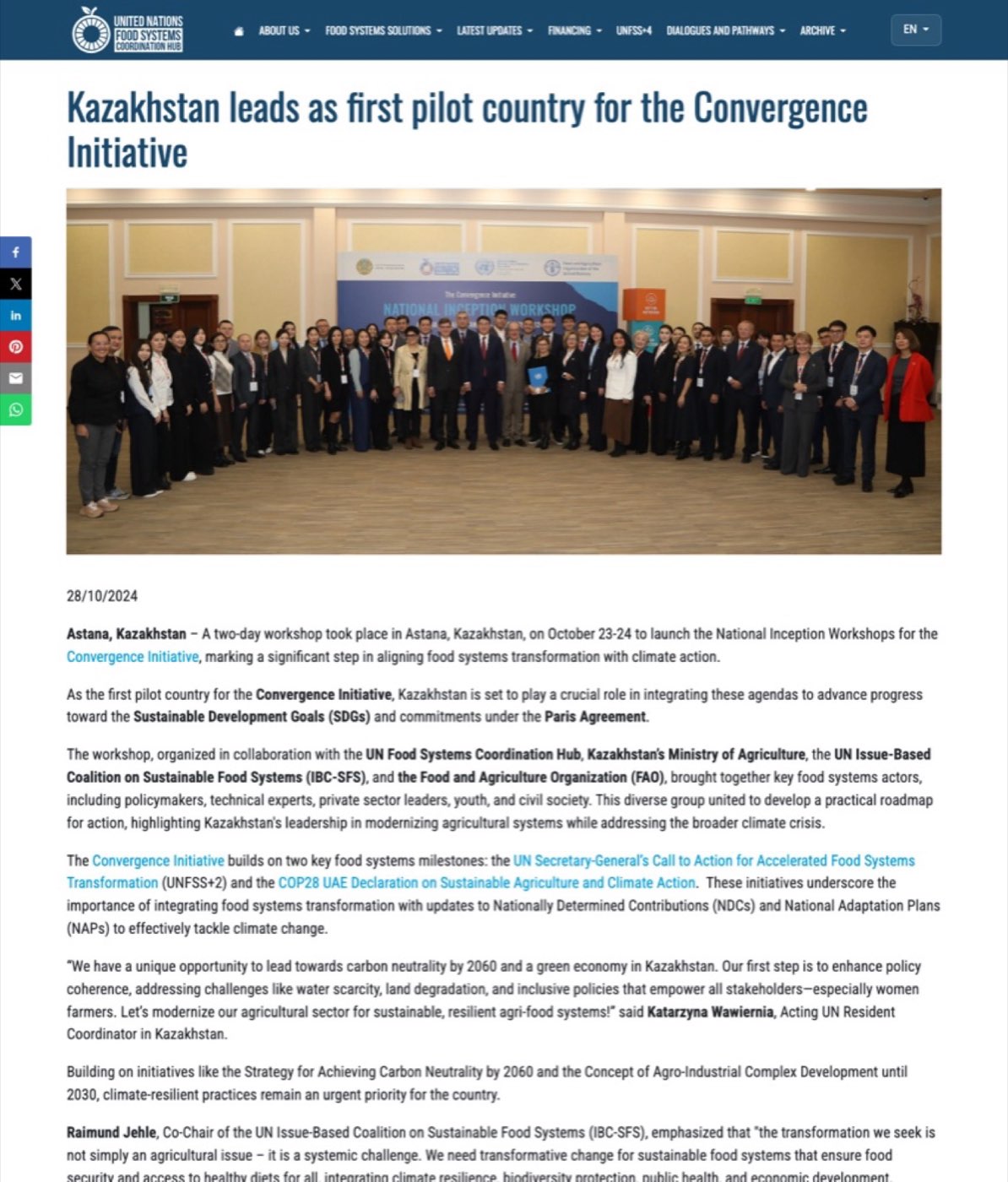
National analysis, policies and climate commitments were distilled into key topics for planning, from small and medium farms to leaving no one behind. This helped unblock finalisation of the first national plan of its kind. Inputs also covered climate finance, from blended loans and guarantees to making public money go further.
UN Food Systems Coordination Hub news →Papers written for ministers and UN country teams
The road to transformative agrifood systems
Regional actions for Europe and Central Asia under FAO’s Strategic Framework 2022–31, written through FAO review for ministers at the 33rd Regional Conference. Its call to make agrifood systems “better prepared, adaptable and autonomous” comes from that draft.
Sustainable food value chains for nutrition
How value chains can deliver healthier diets in Europe and Central Asia while leaving no one behind, built on the Rome-based agencies’ nutrition-sensitive framework. Researched and written as the full first draft, then prepared for review and endorsement at senior level in FAO.
Resilient food systems after shocks
Storyline, outline and first draft of a brief on the war’s food, energy and fertiliser impacts, with Chatham House as a key partner. The brief served the UN Issue-based Coalition on Sustainable Food Systems, UN Country Teams and Resident Coordinators. It frames resilience as prepared and diversified, adaptive, autonomous and open.
From healthy diets to climate plans
Western Balkans, South Caucasus including Georgia, Central Asia, Türkiye, Ukraine and the Republic of Moldova.
Policy texts to UN standards, evidence turned into actions for governments, and food systems built into climate plans. EU agrifood policy and best practice expertise and networks can be shared with partner countries from the Western Balkans to Central Asia.
What it offers