Work fields · EU regional development
EU regional funds for every kind of place
New European Bauhaus (NEB) evaluator for the Commission’s regional policy department (DG REGIO) in 2026, financial instruments advisory services lead with fi-compass at the European Investment Bank (EIB), and EU accession support to Lithuania, Romania and Serbia. The work began with the Inverness and Nairn LEADER II Local Action Group, funded mainly by the European Regional Development Fund (ERDF), and continued as ERDF Programme Manager for the Highlands and Islands.
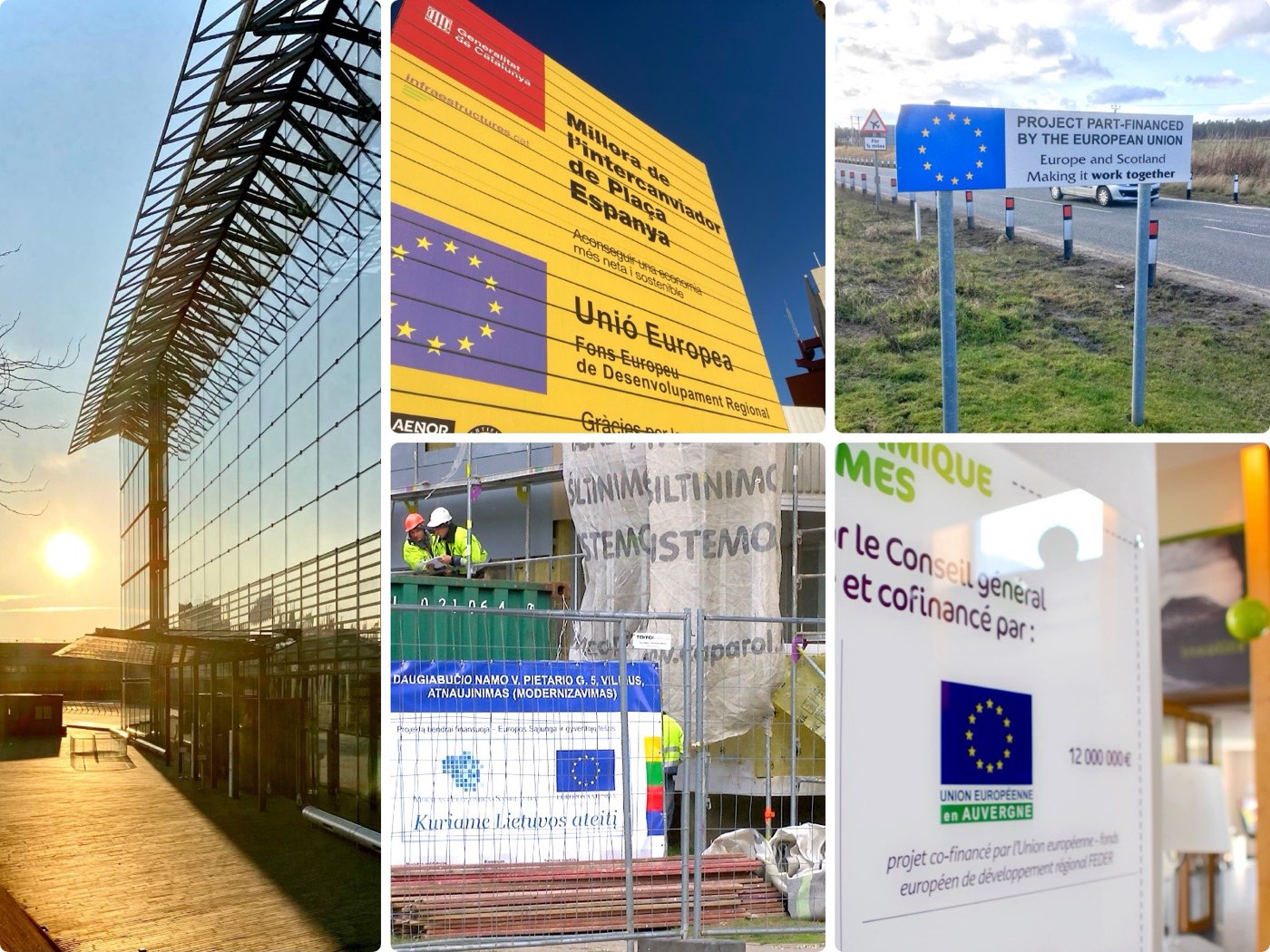
From Objective 1 programmes to the New European Bauhaus
Latest assignments include evaluating 98 New European Bauhaus applications for DG REGIO. It builds on fi-compass at the European Investment Bank, which closely served DG REGIO with financial instruments for urban development, research, housing, energy and business.
Before that came EU accession support to Lithuania’s Ministry of Finance, Romania’s Ministry of Economy and Finance and the office of Serbia’s Deputy Prime Minister. Earlier still was direct responsibility for ERDF management in the Highlands and Islands Objective 1 programmes and the LEADER Community Initiative.
Contact Point work for the EU rural networks has promoted synergies between cohesion policy and the Common Agricultural Policy (CAP) throughout, for urban, rural, island and integrated development.
In July 2026 these lessons went into an expert contribution to the Commission’s call for evidence on the 10th Cohesion Report, with seven practical ideas for EU funding after 2027.
98 applications assessed for the NEB Prizes and the NEB Boost for Small Municipalities, scoring sustainability, aesthetics, inclusion, citizen engagement and innovation, and the Water Resilience prize.
Evidence-led scoring was cross-checked between applications, with advice on photographs and metrics. All four top-scored Boost projects won 2026 awards.
The prizes reward projects that are beautiful, sustainable and inclusive, the same place-based thinking that runs through cohesion policy from Objective 1 to today.
New European Bauhaus Prizes →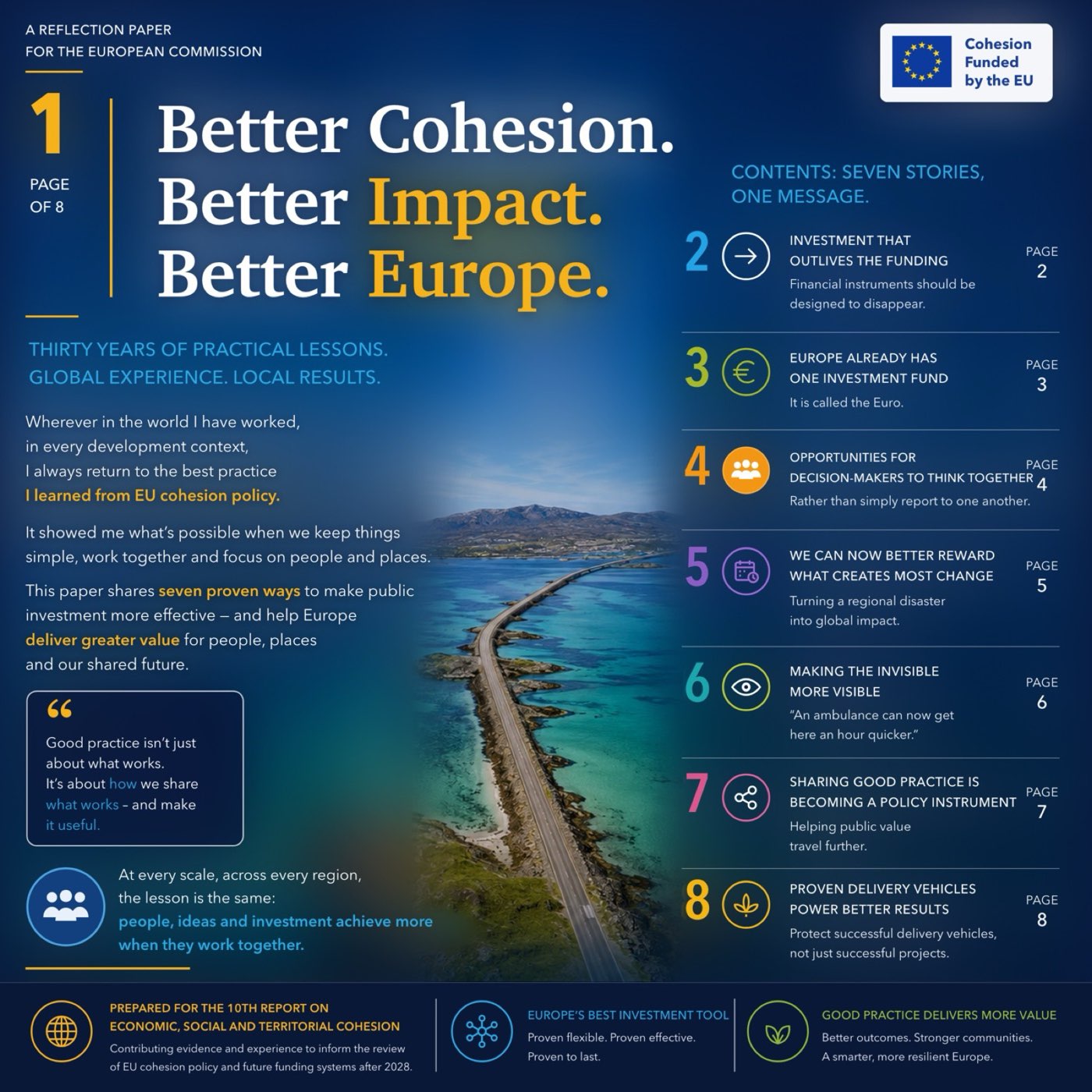
Better Cohesion. Better Impact. Better Europe.
Seven practical ideas for the next generation of EU funding for regional cohesion, submitted to the Commission’s call for evidence on the 10th Report on Economic, Social and Territorial Cohesion. Thirty years of practical lessons, from Objective 1 and LEADER in the Highlands and Islands to development work worldwide.
- Investment that outlives the funding
- Europe already has one investment fund
- Opportunities for decision-makers to think together
- We can now better reward what creates most change
- Making the invisible more visible
- Sharing good practice is becoming a policy instrument
- Proven delivery vehicles power better results
Guidance and case studies for managing authorities
 FactsheetThe European Regional Development Fund, financial instruments
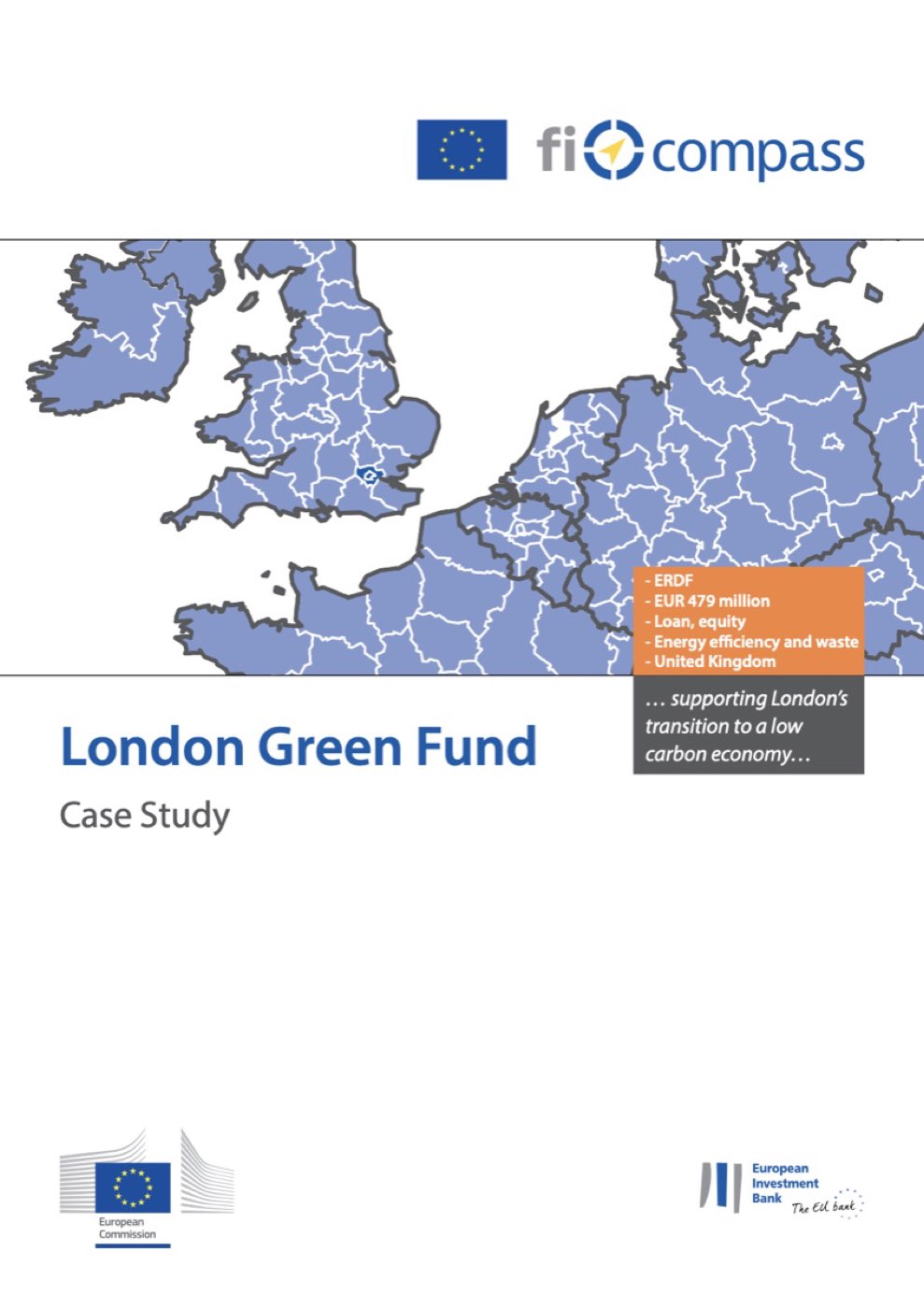 Case study · UKLondon Green Fund
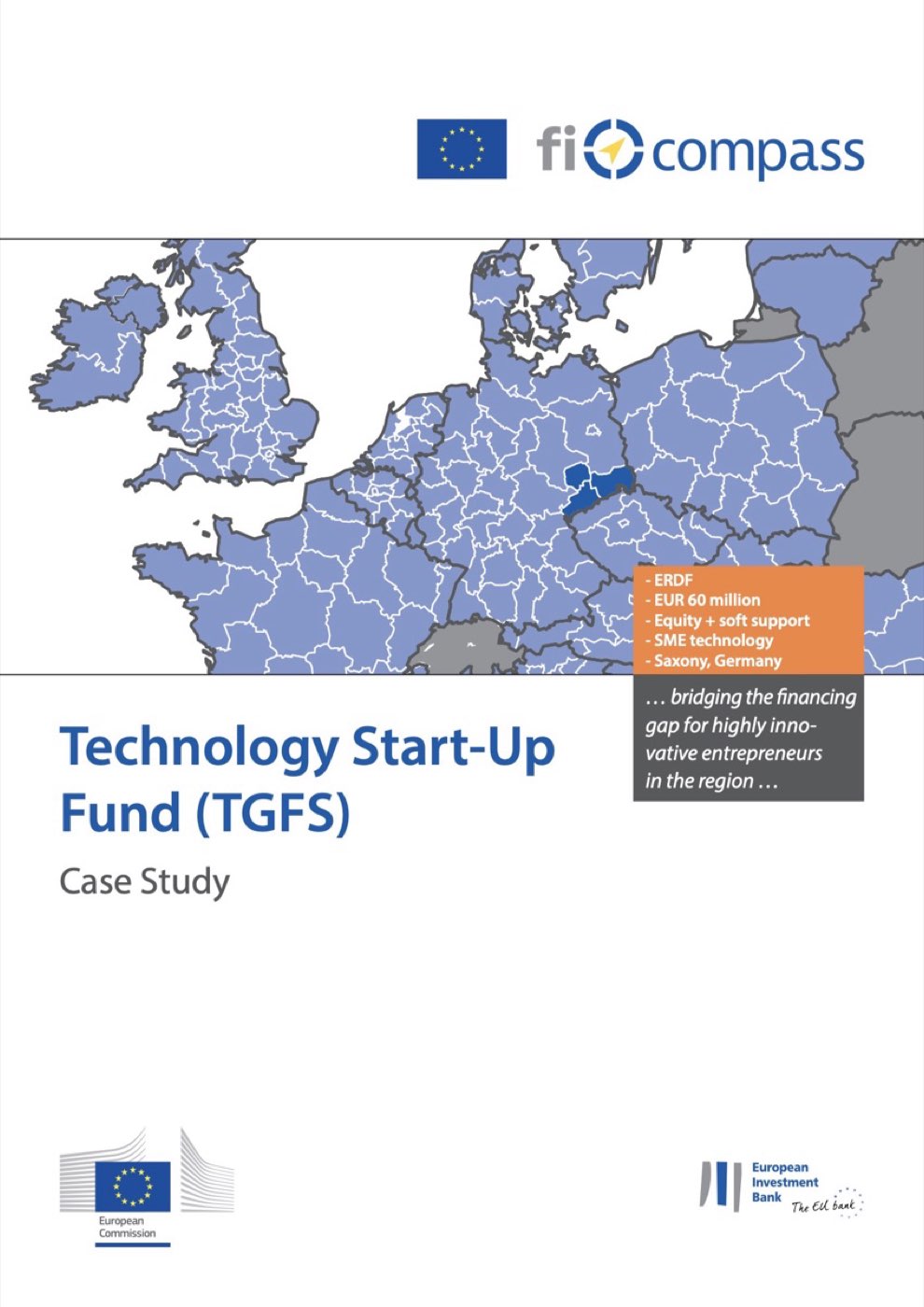 Case study · GermanyTechnology Start-Up Fund, Saxony
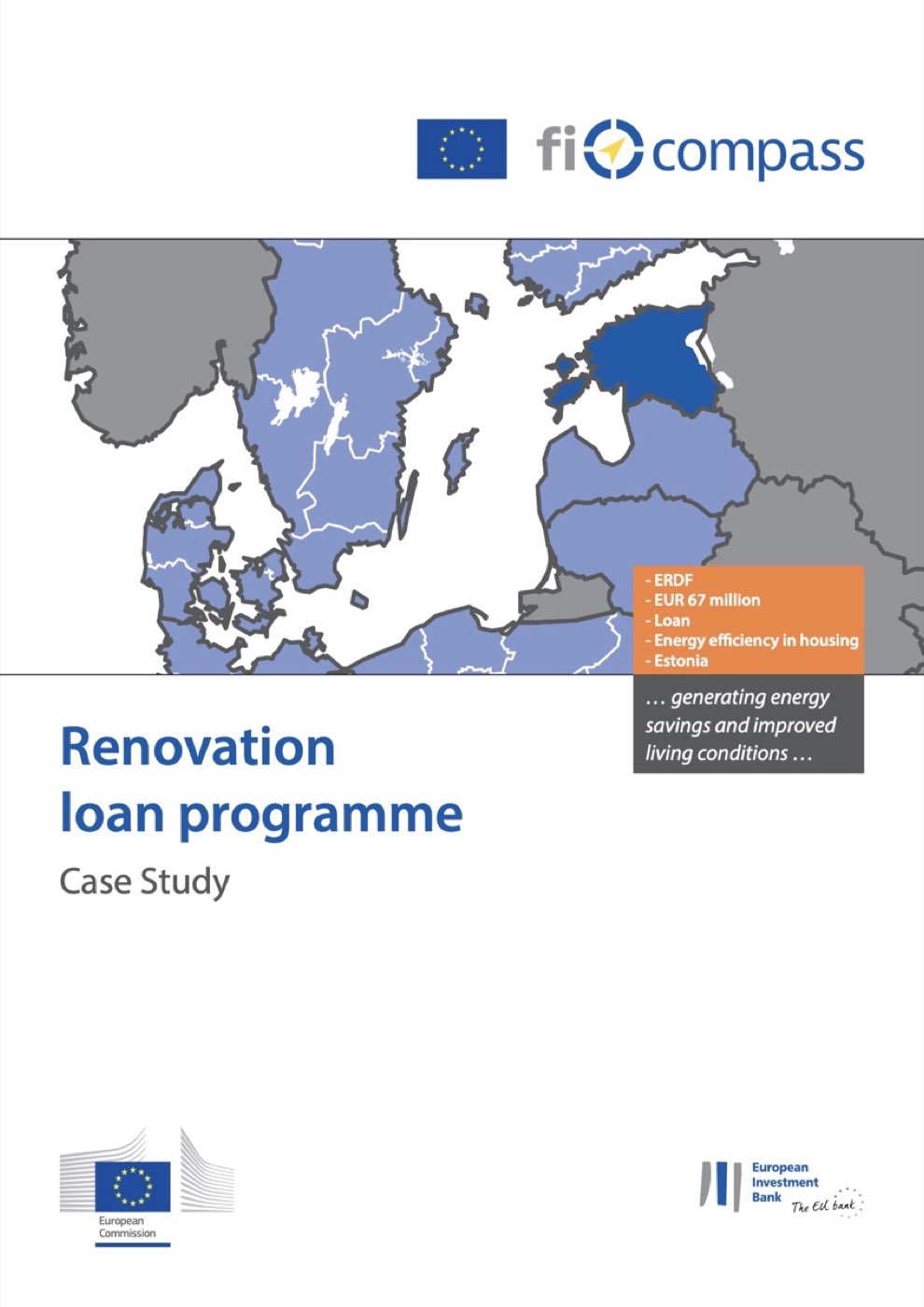 Case study · EstoniaRenovation loan programme
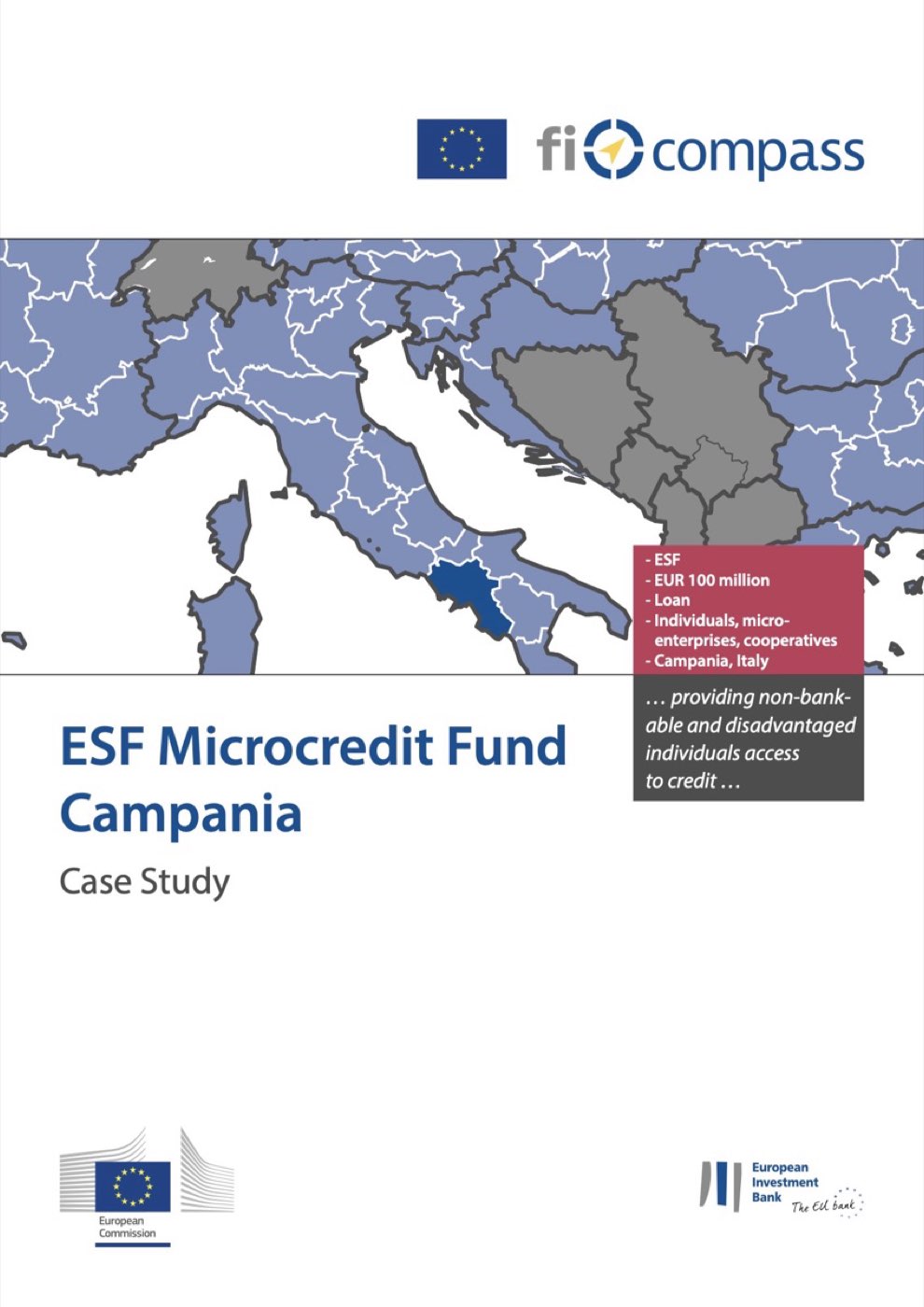 Case study · ItalyESF Microcredit Fund, Campania
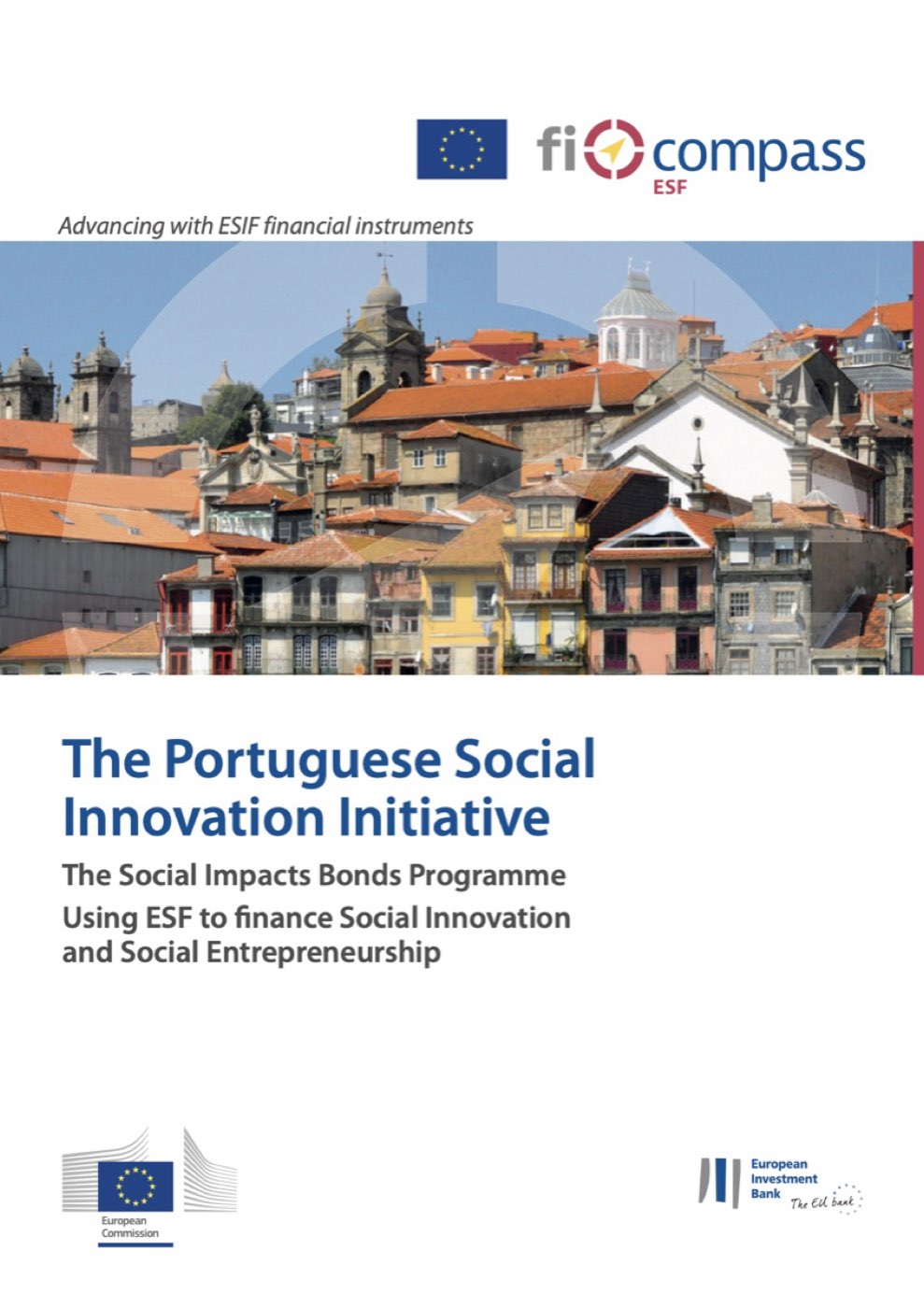 Case study · PortugalThe Portuguese Social Innovation Initiative
A selection from the fi-compass library at the EIB, for managing authorities across the EU. fi-compass library →
Managing, preparing and evaluating EU funds
ERDF in the Highlands and Islands
It began with the multi-fund Inverness and Nairn LEADER II Local Action Group, funded mainly by the ERDF. Then ERDF Programme Manager for the Objective 1 region, in a programme of about 308 million euros of EU funds. The ERDF covered business, R&D, water infrastructure, transport, waste, IT investment and much more, alongside the region’s EU agricultural and fisheries fund budgets. Grants and credit for small firms, monitoring systems and the Joint Monitoring Committee, while leading a team of three staff.
Financial instruments and smart cities
fi-compass and smart cities work at the EIB, closely serving DG REGIO, on ERDF and Cohesion Fund instruments for urban development, research, housing, energy and business. With knowledge management lead roles, Tim covered case studies, guidance, a State aid survey and training films. The role also covered the website and events for managing authorities, working with European Commission DGs and the European Investment Fund.
Cohesion and CAP synergies
Years of promoting synergies between the ERDF and the CAP through the EU countries’ rural networks, articles and inputs to foresight for the EU’s Standing Committee on Agricultural Research, for urban, rural, island and integrated development. A European and Structural Fund help desk for applicants added practical support. Good practice shows how cohesion and rural funds can invest in the same places together, from smart villages to rural business and services. Towns and countryside can then grow and thrive as one territory.
ERDF Key Expert for the Ministry of Finance
Helped roll out Lithuania’s first national ERDF programme smoothly, drawing on Scottish know-how in monitoring, project design and selection. The same know-how guided the transparent assessment, approval and publicity of transport, energy, water, information and communication technology, environment and business projects, with equal opportunities and sustainable development criteria. Advice also reached the regions, the main cities and other ministries, including education and environment.
Preparing a Managing Authority
Monitoring and reporting advice to the Ministry of Economy and Finance as it prepared Romania’s first ERDF Managing Authority. The advice covered results and implementation monitoring and reporting for EU funds, drawing on systems run in Scotland and set up in Lithuania. Clear indicators show what the EU funds achieve on the ground. A new Managing Authority could start with clear, workable systems from day one, ready to manage its first ERDF programme after Romania joined the EU.
48 INTERREG applications assessed
Screening of transnational project applications from partnerships around the Baltic Sea for the INTERREG Baltic Sea Region programme. Its funding priorities ranged from sustainability, transport, energy and urbanism to coasts, planning, logistics, environment, integration and innovation. This shared sea is sensitive and already damaged. Coordinated care from all the countries around its shores seems the best way to protect it. Also editorial advice on the Latvia–Lithuania 2014–20 cross‑border programme.
Cohesion, CAP and financial instruments knowledge together, for plans that bring EU funds into one strategy per country or region.
What it offers