Work fields · Financial instruments
Financial instruments that help public money go further and make investing more affordable
Knowledge management lead for fi-compass, the advisory platform on financial instruments of the EU and the European Investment Bank (EIB), for managing authorities across the EU. Author of InvestEU analysis for the EU Common Agricultural Policy (CAP) Network and editor of blended finance work for UNDP Maldives. For FAO, Technical Writer of a ministerial paper calling for simpler instruments, with later inputs on blended finance for Kazakhstan. The work began in the Scottish Highlands and Islands, with two European Regional Development Fund (ERDF) revolving funds for innovation in small and medium-sized enterprises (SMEs) and tourism businesses across the region.
From EU revolving funds to blended finance
For the EU CAP Network, a series of good practice cases shows CAP financial instruments at work on farms and in rural firms. A Policy Insight sets out the InvestEU choices open to CAP managing authorities. Work as a lead writer of the sixth foresight of the EU’s Standing Committee on Agricultural Research (SCAR) brought inputs on valuing research and innovation at system level, with tools such as true cost accounting. Fuller values can help funding instruments target what works best.
The same experience travels beyond the EU. Lessons from EU loans, guarantees and revolving funds were shared with UNDP, FAO and Uzbekistan’s Ministry of Agriculture. They can help governments move from one-off grants to finance that is repaid and lent again, with simpler rules for smallholders and small firms. At FAO, the advice ran from a 2022 ministerial paper to 2024 inputs for Kazakhstan, the first pilot country for converging food systems and climate action.
More than 25 articles, starting with revolving rural development funds, explain microfinance, EU credit for farmers and exit strategies in plain terms, for public managers, lenders and farm advisers, and explore how more ‘big ticket’ money could be better steered into action on the Sustainable Development Goals.
With up to 372 billion euros of investment expected to flow through InvestEU, CAP funding can help attract this investment to rural Europe, for stronger socio-economic and environmental resilience.
The Policy Insight sets out the choices open to CAP managing authorities and how InvestEU can work alongside their own grants and financial instruments under the CAP Strategic Plans.
Written for public managers, it explains the options in plain terms, so each region can choose the mix that suits its rural economy.
Read the Policy Insight →Small amounts of public money can underwrite the risk for ‘big ticket’ patient capital from pension funds and other long-term investors. That capital can then flow into investments with public benefits – jobs, welfare and, above all, ecosystem services like better food, clean water, healthy soils and biodiversity.
It starts with valuation, in every field, from nature and climate to regions and research. The public benefits of good projects often go uncounted. Fuller valuation, through systems thinking and true cost accounting, puts a figure on better diets, stored carbon, thriving places and new knowledge from research. For investors, a clear figure turns a public good into an investment case they can assess.
Better valuation offers bigger numbers, and bigger numbers can better attract the ‘big tickets’.
A dedicated InvestEU for agrifood systems shows what this could make possible. Finance is just one application of a wider idea, public policy better valued, counted more fully and appreciated more widely.
Article on treating qualitative impacts as collateral to unlock larger investment capital →
Why the core idea matters →
Peer learning on financial instruments across the EU
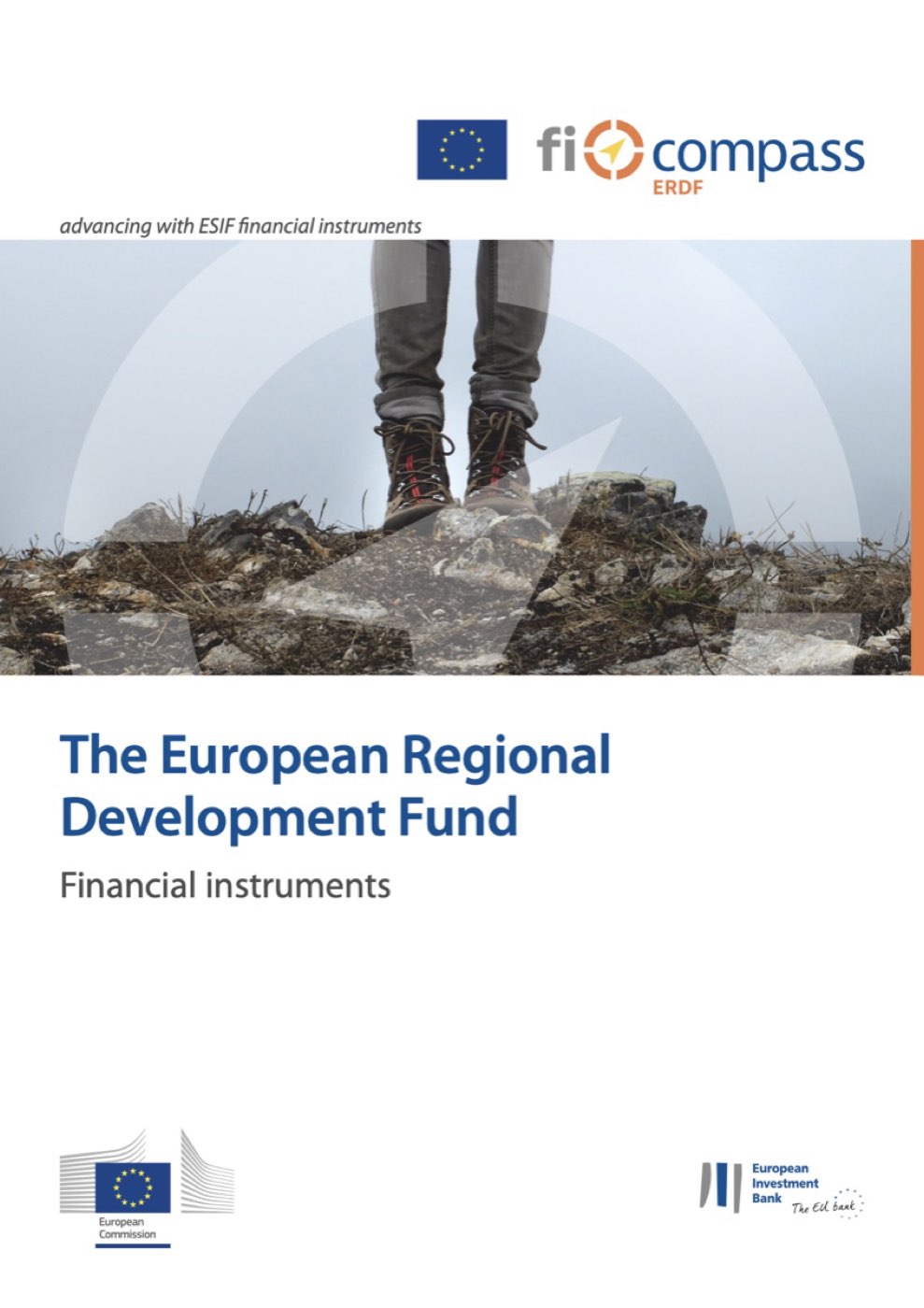 Factsheet · ERDFThe European Regional Development Fund, financial instruments
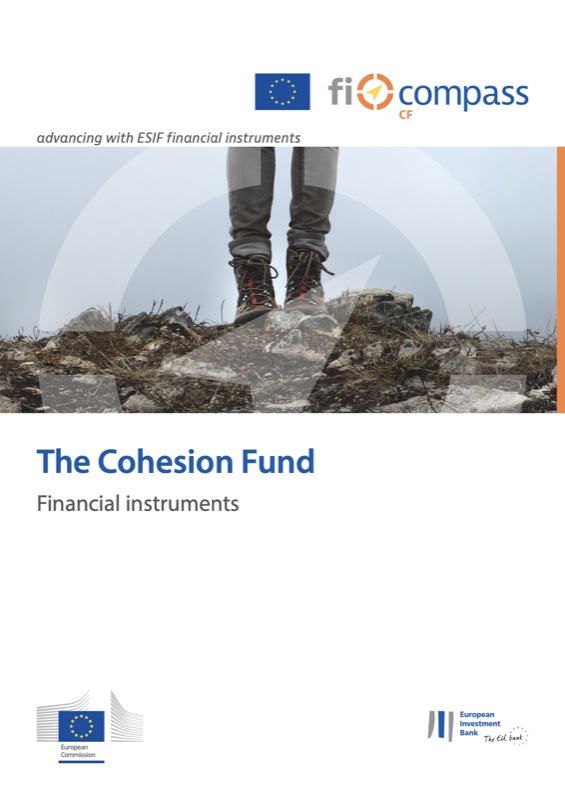 Factsheet · Cohesion FundThe Cohesion Fund, financial instruments
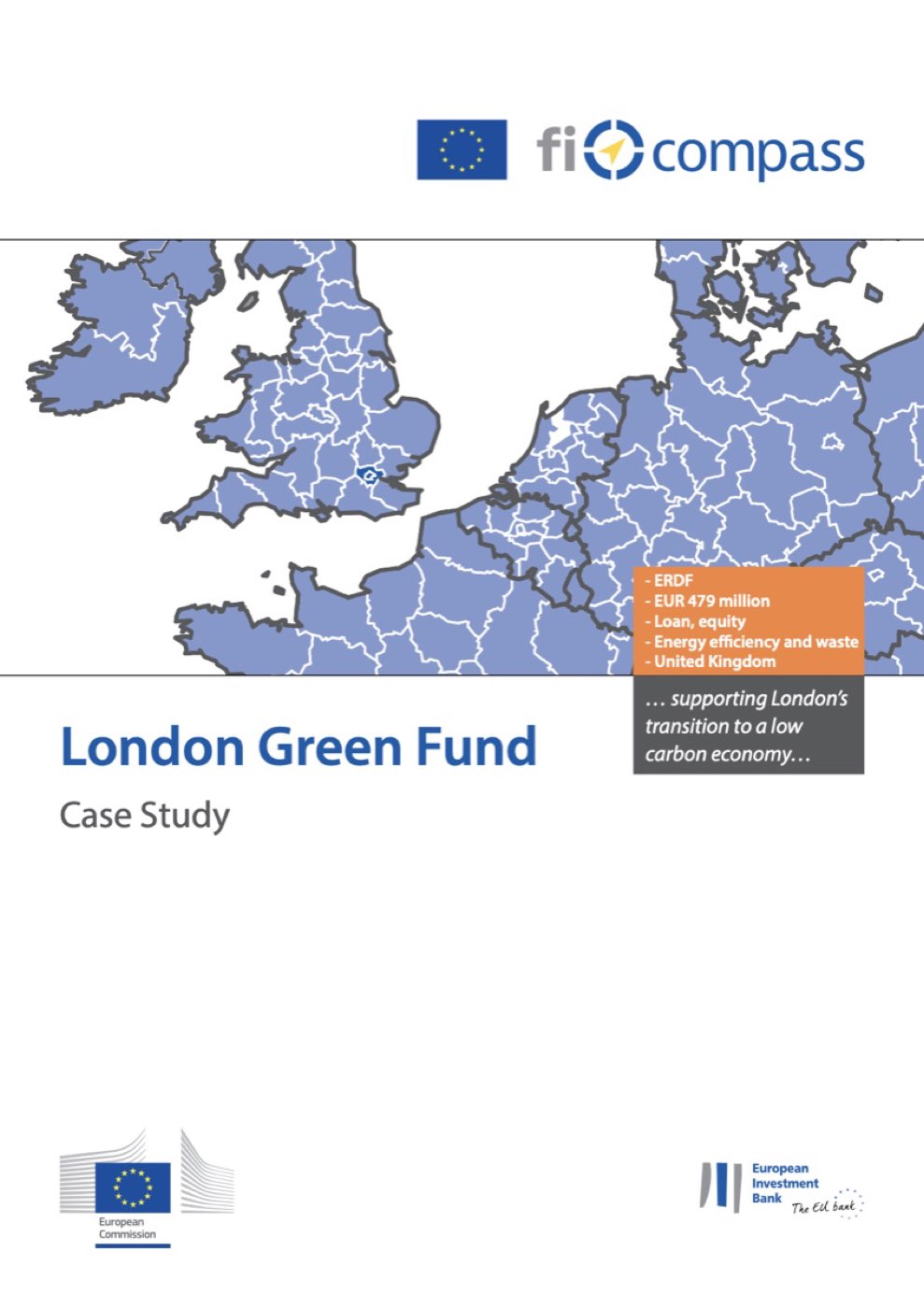 Case study · ERDF · UKLondon Green Fund
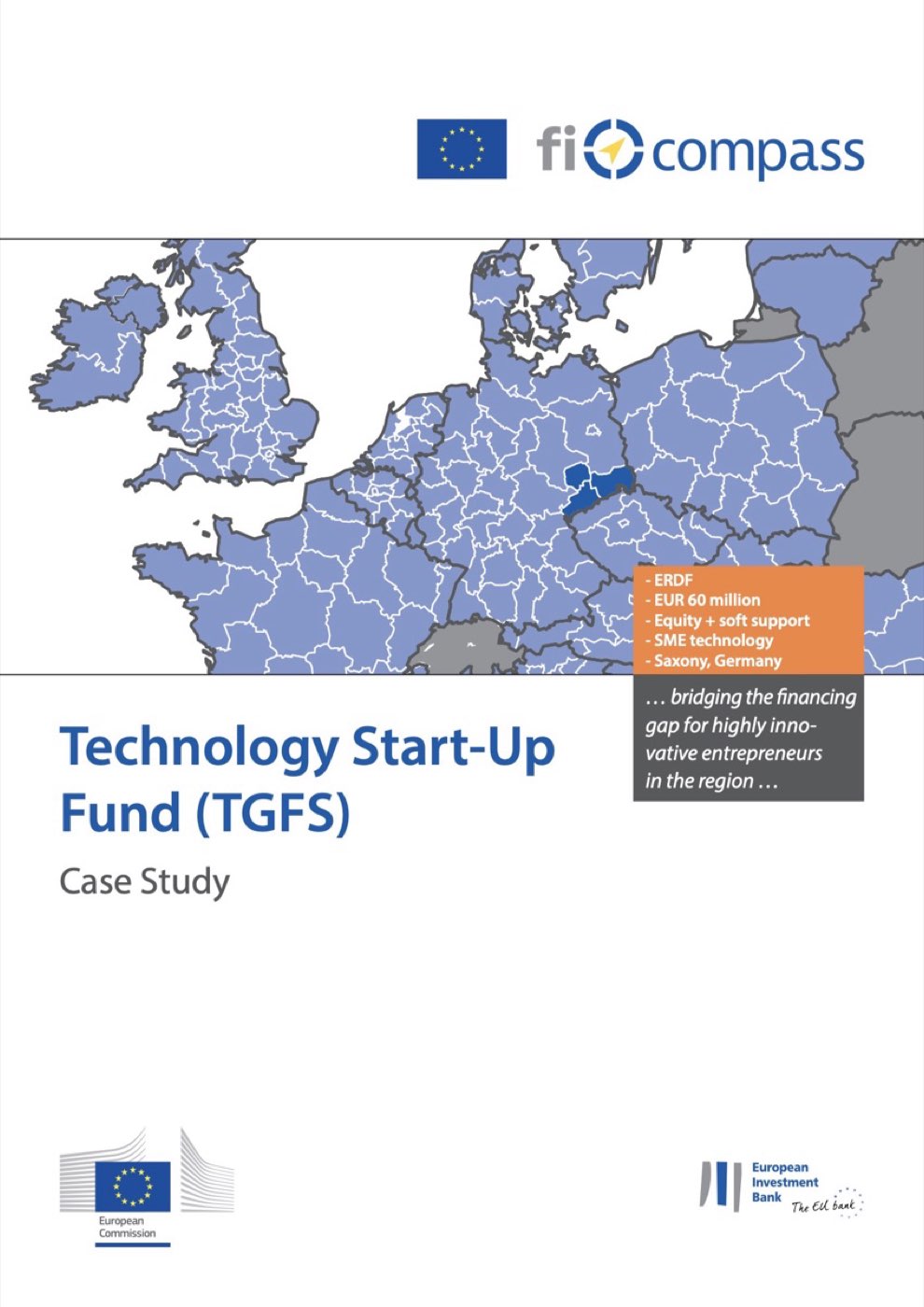 Case study · ERDF · GermanyTechnology Start-Up Fund, Saxony
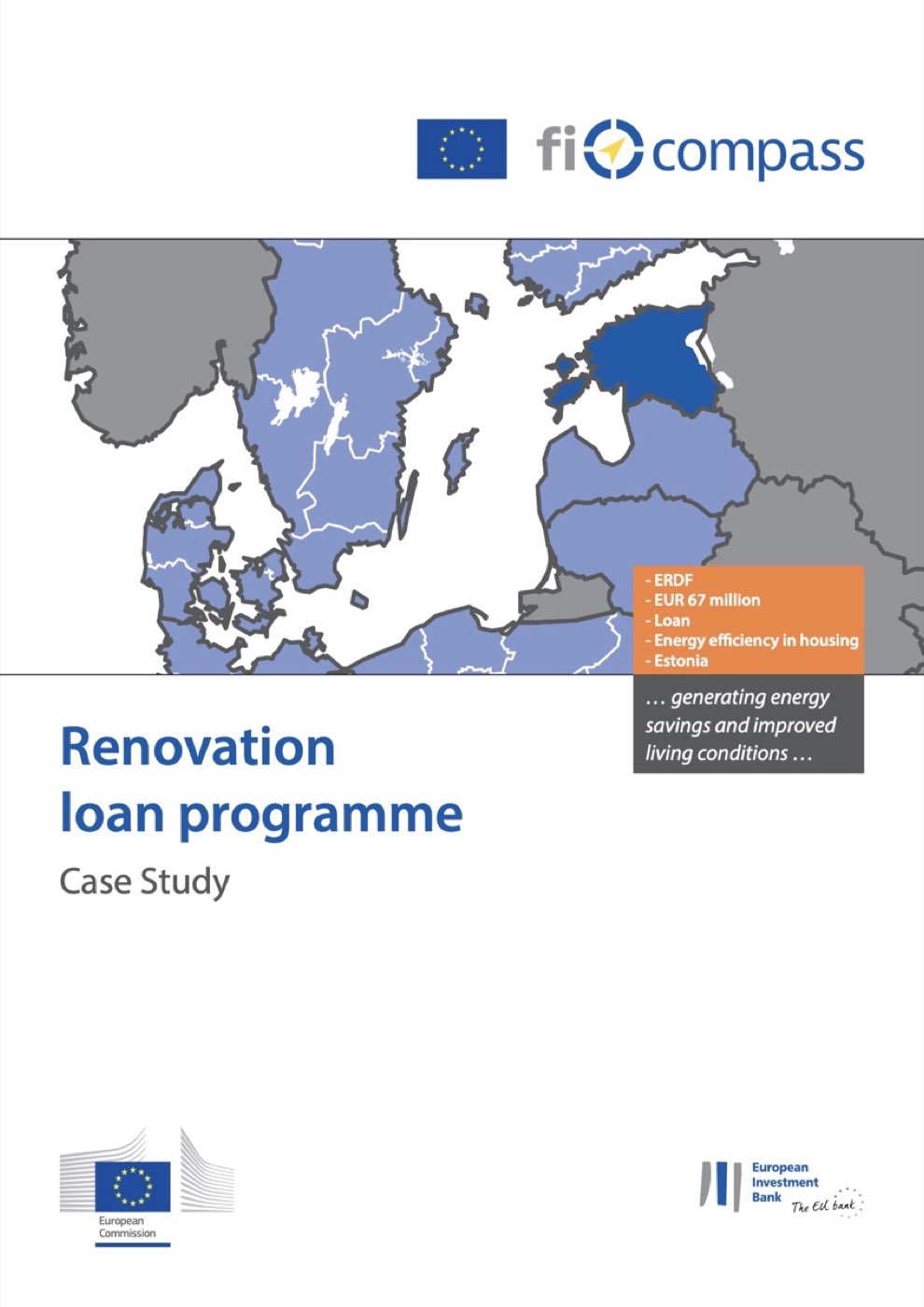 Case study · EstoniaRenovation loan programme
 Report · EAFRDFinancial instruments in Rural Development Programmes
 Handbook · EAFRDEx-ante assessment for agriculture
 Case study · EAFRD · ItalyEAFRD Credit Fund, Lombardy
 Case study · ESFFinancing the social economy
 Study · EMFFFinancial instruments for fisheries and aquaculture
With knowledge management lead roles for the fi-compass advisory services at the EIB, Tim applied detailed knowledge of EU funding systems and financial instrument practice. The website, publications, conferences, workshops, event dashboards and training films were shaped, together with European Commission DGs and the European Investment Fund, around what managing authorities needed to know. It helped launch all fi-compass content on the European Agricultural Fund for Rural Development (EAFRD), for farms, rural businesses and climate action. The role also meant working inside a large EU public procurement for technical assistance, from designing the tender to running it, with coordination within the EIB and across European Commission DGs. That inside view helps show how tenders are prepared and what evaluators look for. fi-compass library →
“His EIB experience has also given him a useful working knowledge of EIB Group’s financial and advisory services, including those concerning the European Investment Fund, European Investment Advisory Hub and the European Fund for Strategic Investments.”
European Investment Bank · Financial Instruments Advisory See the reference → Filling gaps in agricultural and rural finance
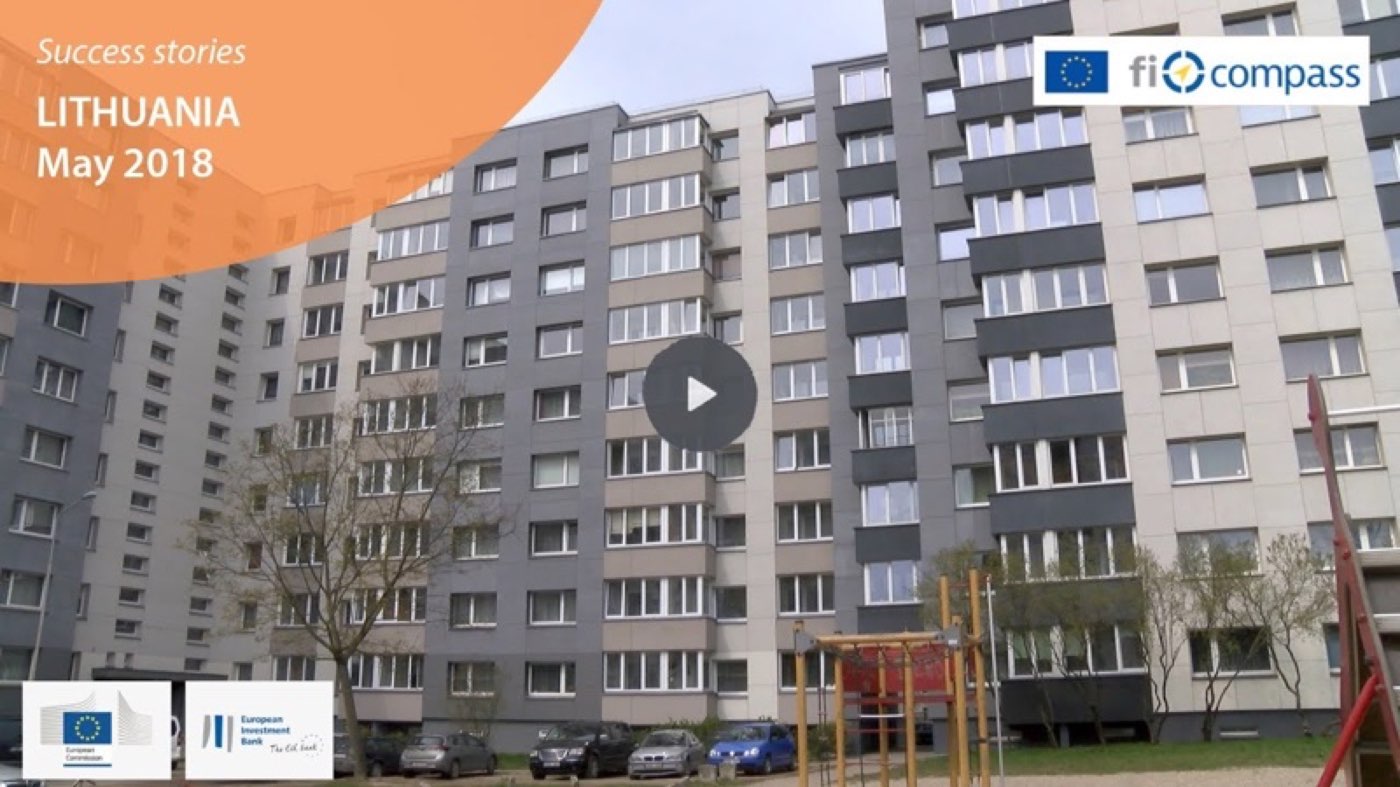 Energy efficiency loans for Lithuanian homes
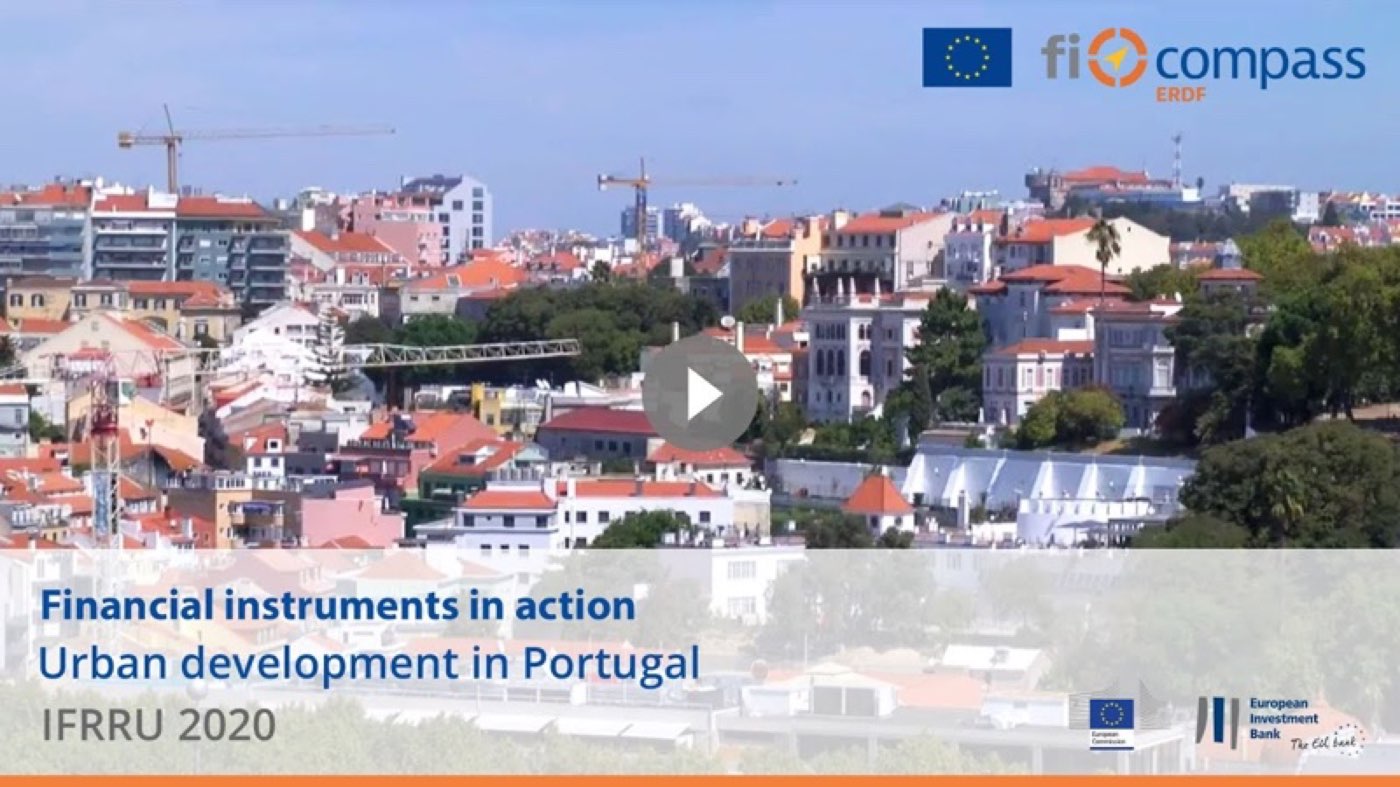 Financial instruments for urban development in Portugal
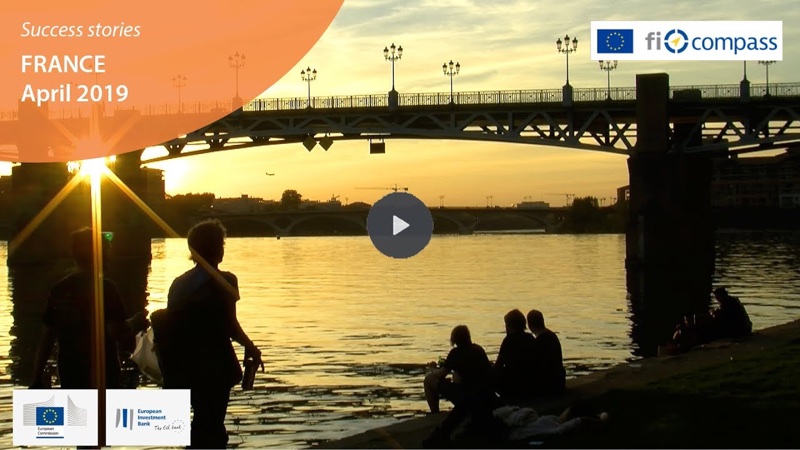 The ESIF fund of funds FOSTER TPE-PME, Occitanie
Designing, explaining and running financial instruments
Better and more investment in research
Fuller values make a stronger case for better and more investment in agrifood research. That was the aim of the inputs to the sixth SCAR foresight, for the Commission’s research and agriculture departments (DG RTD and DG AGRI). Work as a lead writer drafting its full text drew on knowledge of diets, circularity and diversity, systems thinking and true cost accounting to value research more fully.
CAP financial instruments in practice
A series of good practice cases shows loans, guarantees and microloans helping young farmers, new entrants and small rural firms invest in greener and more resilient businesses. Cases from France, Italy, Spain and Croatia show how EU rural funds and private lenders can share the risk, so more farm investment goes ahead. The InvestEU Policy Insight adds the next step for CAP managing authorities.
Blended and revolving finance
Edited Future-Forward Financing on moving from grants to blended finance. One example is the Global Fund for Coral Reefs, where US$10 million unlocks US$40 million in private equity for reef conservation and carbon markets. Small island states face high costs and climate risks, so finance that revolves and attracts private partners lets scarce public money go further for local businesses and island communities.
Financing models for farming
Comparative review of fi-compass case studies with advice prepared for the Ministry of Agriculture, from ex-ante needs to delivery. Alongside came work on its agricultural knowledge and innovation websites, speeches and media relations for the EU-funded agrifood reform. The advice set out a wide range of EU options, from credit and guarantees to microfinance, for the Ministry to distil. It also raised the idea of a fi-compass style initiative for Uzbek agrifood, with gender balance in mind.
Simpler and blended agrifood finance
Ministerial paper ERC/22/2 for the FAO Regional Conference for Europe calls for simpler instruments with far less red tape, drawing private investment to smallholders and small agrifood firms. For Kazakhstan’s Blueprint, inputs showed how equity, loans, guarantees and microfinance can be blended with grants, and how lenders can learn to read harvest-based cash flows.
Two Highland revolving funds
Desk officer for two ERDF revolving funds in the Highlands and Islands Objective 1 programme, from set-up to monitoring. Tailored tools for SME innovation and tourism, such as double glazing, en-suite rooms, better parking and event facilities for hotels, guest houses and other local visitor businesses. Repaid loans went back into the funds and could be lent again, so EU money kept working for the whole region year after year.
Experience from the EU, the EIB, FAO and UNDP, for EU programmes and the UN Capital Development Fund (UNCDF). Support can run from checking what finance is needed and setting up a fund to monitoring, guidance and training for managing authorities and lenders.
What it offers