
Europe's LEADER method for community-led local development keeps spreading, inside the EU and far beyond it. This article traces that spread, from Central America to Eastern Europe, and asks how the value it creates could be better measured.
The full article, with all 23 sources, is free to download and share.
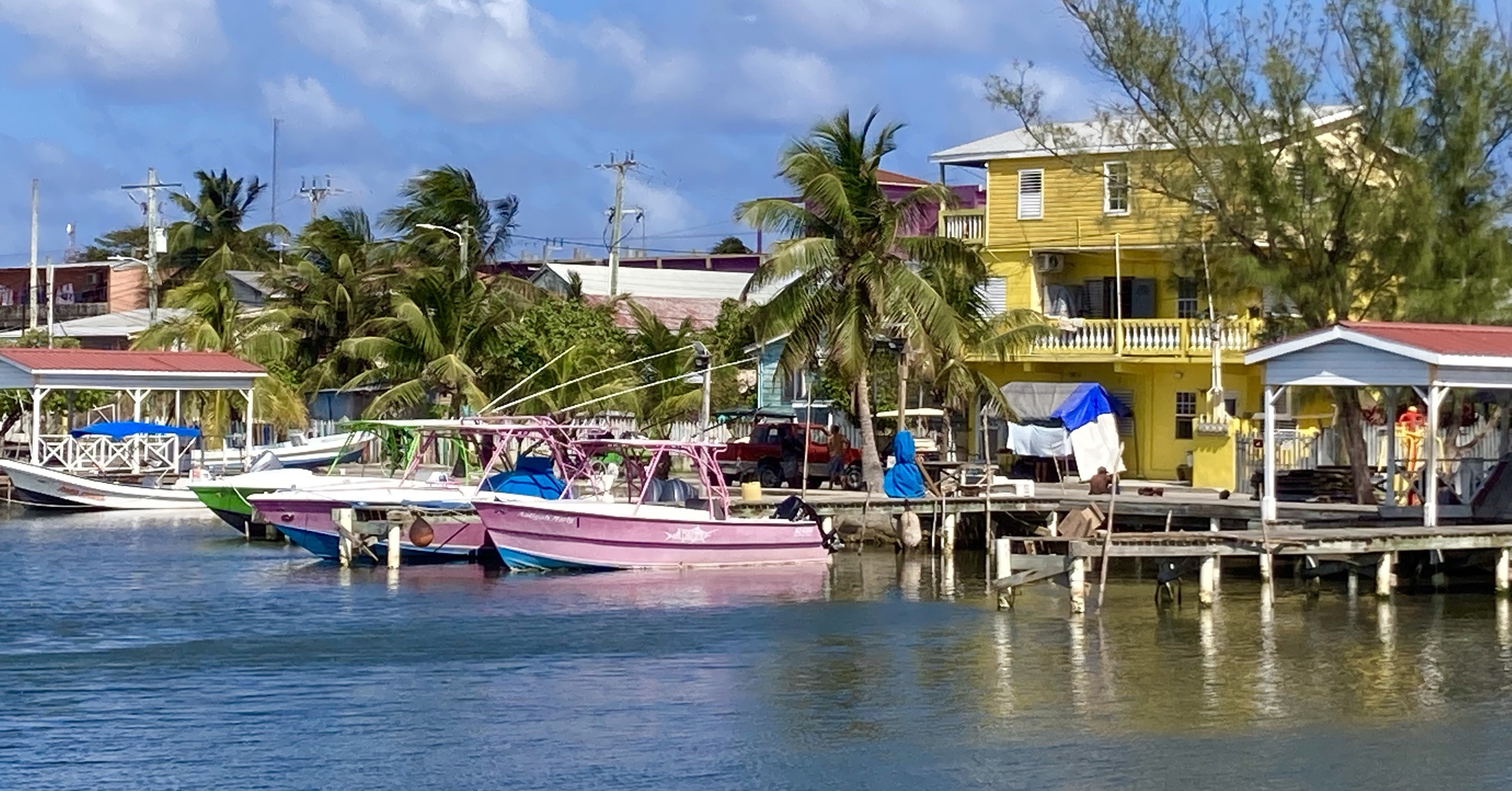
Spain shows how far the method can travel. Its Rural Development Network (REDR) helped Central America set up 45 Territorial Action Groups (TAGs) from Belize to Panama. Launched in 2011, they were part of a regional strategy (ECADERT) built on long Spanish LEADER experience.
TAGs joined LEADER's growing global family. The first LAGs started inspiring Europe's countryside in the 1990s, alongside the EU's PESCA programme for the fishing sector. LEADER+ later reached all rural areas, Fisheries LAGs (FLAGs) date from 2007, and since 2014 community-led local development (CLLD) has brought the approach to benefit many different urban communities.
Exports of the LEADER method came early, from Cape Verde before 2000 and Quebec in 2002 to a Finnish‑backed pilot in Mozambique in 2006. Further initiatives followed in South Africa, Benin, Tunisia, Serbia and Russia's Karelia. Brazil's territorial programmes show LEADER features, and countries preparing for EU membership created their own LAGs in advance.
International bodies value it too. The OECD credits LEADER with taking rural development beyond farm policy, and has recommended it to Japan. FAO is introducing it in Albania and Montenegro, while UNDP helped set up LAGs in Armenia. Georgia has had them since 2015, and Moldova made LEADER a state programme in 2022.
LEADER-like methods seem to suit a wide range of places where the Sustainable Development Goals have to be met locally, because people who know the area design the support.
Inside the EU, LEADER's record goes back further still. My own LEADER work began in 1995, coordinating LEADER II for Inverness and Nairn, around Loch Ness in the Scottish Highlands, where a network of village strategies all put young people first.
Today it runs in every Member State, even in the EU's outermost regions like Île de La Réunion, a tropical French island where four LAGs share €19 million for 2023–2027.
Recent LEADER good practice from Romania shows how programming for relatively modest grants can help rural entrepreneurs start small businesses. In 23 LAGs, combined calls for women and young people set aside some €7.7 million, several as fully funded awards of €40 000 to €52 000. Four LAGs with comparable figures received applications worth about 1.8 times their budgets. Women led 41 of the 55 projects selected across six LAGs. EU candidate countries, many backed by FAO and other UN agencies, may learn best from similar Member States, as Moldova could from Romania.
For the EU's 2028–2034 programmes, the European Commission proposed that LEADER continue and become compulsory, at least in rural areas that governments see as disadvantaged. Its draft guaranteed no fixed share of the money, so the European LEADER Association for Rural Development (ELARD) called for 5% or more.
Proof of impact value will matter. In 2022, the European Court of Auditors found little evidence that LEADER's benefits outweigh its extra costs, and asked for better evaluation. I advised the authors of later EU CAP Network guidance to make this practical and affordable for LAGs.
When local people design support, local people apply for it.
Well-documented LEADER results like those in Romania offer a model for measuring what such approaches set in motion, including how good examples inspire others. Counted this way, LEADER's value could travel as far as the method itself, helping communities worldwide meet global goals from the ground up.
Show what LEADER fully achieves, and the world will keep following.#LongLiveLEADER
Sources
These public sources are listed for readers, researchers and journalist colleagues who may wish to follow their own angles.
- LEADER and community-led local development, hudson.lu
- LEADER/CLLD after 2027, Rural Pact
- Special report 10/2022 on LEADER, European Court of Auditors
- LAG calls and results, Romanian National Rural Network (totals compiled)
- ECADERT strategy for Central America, Spanish Rural Development Network (REDR)
- Rural Innovation Pathways, OECD
- Albania learns to adopt the EU LEADER approach, FAO
- EU LEADER approach in non-EU countries, Tartu workshop, FAO
- LEADER methodology conference in Yerevan, UNDP Armenia
- LEADER, a European approach to better rural lives, EU Delegation to Georgia
- LEADER approach in Moldova, EU Delegation to Moldova
- LEADER call for 2023–2027, Département de La Réunion
- Rural target statement, ELARD
- PESCA, new Community initiative for fisheries, European Commission
- Rumbo al 2020, el Eje 4 en la práctica, FARNET
- Local development in developing countries, LDnet
- Effects of Quebec's national rural policy, Fonds de recherche du Québec
- Local development initiatives in the Lake Ladoga region, RUDN Journal of Sociology
- LEADER and Brazil's territorial programmes, Redalyc
- Local Action Groups in the Visegrád countries, ResearchGate
- Enhancing rural innovation in Japan, OECD
- LEADER explained, EU CAP Network
- The LEADER initiative in Mexican territories, Agrociencia