Written for farmers, lenders and policymakers, this article looks at how a European law that measures soil health could open a new way of seeing soil, and of valuing farms.
The full article, with all 6 sources, is free to download and share.
A missed opportunity
We know that soil productivity can already affect some farmland prices.
Lenders are testing soil-related incentives, and property appraisers are exploring whether verified soil condition can influence valuations.
Yet these initiatives remain fragmented. A shared way to quantify soil condition can help connect the evidence with financial decisions.
Recognising verified soil health in land transactions, collateral, borrowing and investment could substantially reward improvements to a farm’s productive assets.
An unforeseen economic dividend
The EU Soil Monitoring Law entered into force on 16 December 2025. Nearly a year on, its potential significance reaches beyond environmental reporting.
Common soil descriptors and assessment methods can supply the evidence needed to develop credible economic valuations, with implications well beyond Europe.
Quantification is the starting point.
Physical, chemical and biological indicators, interpreted against soil-appropriate reference standards, can support values linked to productive capacity, costs and risk.
Monetary adjustments would still require market evidence, verification and acceptance by valuers and financial institutions.
Belgium’s soil passport puts numbers on soil health
Belgium’s Flanders region often stands out in my international work as an example of good practice across sustainable food systems. Its agricultural, food and environmental initiatives appear well coordinated, with practical projects supported by wider regional strategies.
A ‘digital soil passport’ is a good example of that approach. It brings together quantified, parcel-level information on organic matter, nutrients, pH, texture and erosion risk.
Comparable data help farmers understand their land and make its financial value more tangible through practical improvements to soil management.
Flanders already shows results. A fertiliser guide has been used by 493 farmers, while 23 farmers have cooperated to increase soil carbon. Avoiding winter ploughing has reportedly saved €400–€1 800 per hectare, showing how soil care can affect farm costs and returns.
Regional food strategy and soil-care planning help connect this work with wider agricultural and environmental priorities.
Combining practical work with comparable information makes Flanders a promising place to explore whether verified soil improvements influence land appraisal, lending and investment.
Improving soil health could become one of the most financially rewarding investments farmers make in their land.
Soil life, the part we rarely see
Putting a financial value on soil health means looking at what makes land productive, including the living organisms beneath our feet. Soil biology affects how crops obtain water and nutrients, and can influence both yields and farm costs.
Mycorrhizal fungi are a case in point. They form natural partnerships with plant roots, helping plants reach water and nutrients, particularly phosphorus. Farmers may already benefit from these fungi without recognising their contribution.
An EU CAP Network good practice example from Spain describes farmers cultivating native fungi on their farms. Reported results included lettuce yields increasing by 20%, pea yields by 40%, and soil carbon rising from 2.8% to 8.5%. These figures offer a practical reason to investigate soil biology alongside other soil-health indicators.
Farmers and advisers can explore how existing fungal networks respond to crop rotations, soil disturbance and fertiliser management. They can also assess whether commercial inoculants offer additional benefits in local conditions.
Interest in mycorrhiza-based products is growing, yet the wider opportunity begins with understanding and supporting the biology already present in soil. Field trials can help establish which practices improve yields, reduce inputs or strengthen resilience.
Evidence of those benefits may eventually feed into soil-health valuation, making an often invisible contribution to farm performance more visible in financial decisions.
From soil numbers to financial value
A recognised soil-health valuation could influence land appraisals, collateral values, lending terms, insurance risk assessments, investment and farm transactions. Better soil condition would then show in the financial decisions farmers already make.
A Michigan appraisal pilot has examined how soil-health information might inform farmland valuation, while other US agricultural lenders have tested soil management incentives. European research has found that environmental labels do not automatically command higher farmland prices. This points to the importance of valuing measurable economic effects.
What countries and markets can do next
Developing internationally comparable methods for putting a monetary value on soil health should be the next priority. Such methods would translate measured soil conditions into evidence of their effects on productivity, operating costs, financial risk and farmland value.
Banks, insurers, investors, land appraisers, researchers and farmers can pilot methods together on real farms, examining how verified improvements affect transactions, lending and insurance decisions.
Sharing results from different farming systems with those who can act on them, then tracking their uptake, would show where soil-health premiums are commercially justified and how valuations should reflect local soils and markets.
A recognised financial value for healthier soil would give farmers stronger incentives to improve the land they farm and more control over business decisions.
Europe is putting numbers on soil health. The next step is to put a financial value on those numbers, so farmers can benefit from improving their own land.
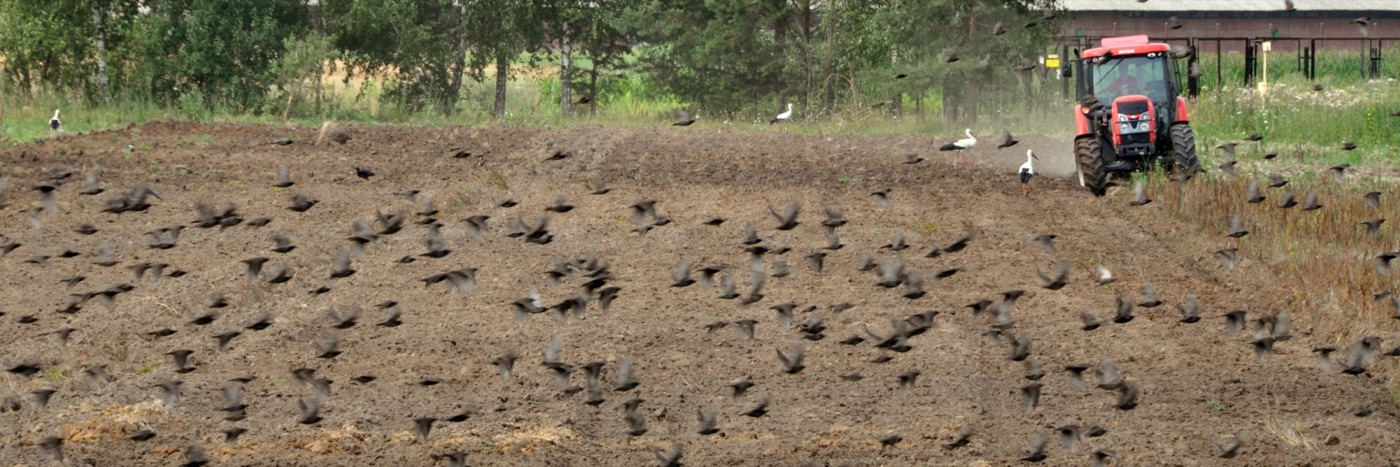
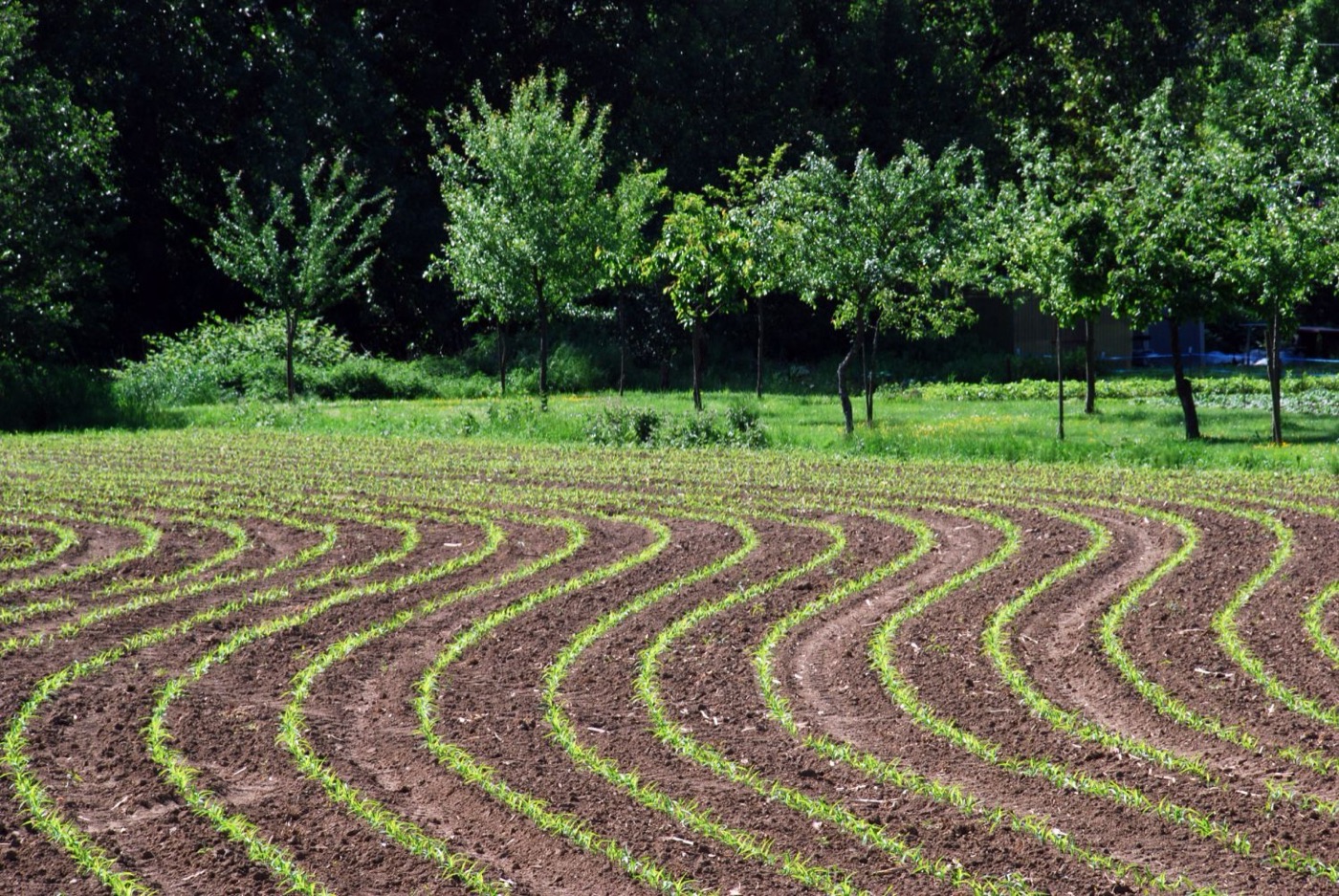
A European law designed to measure the environmental health of soil may bring an unexpected bonus. With the hard work of measuring under way, attaching monetary values to soil properties could unlock significant, market-led and nature-based economic opportunities. If lenders and investors recognise healthier soil as a more valuable asset, farmers gain powerful reasons to invest in it. That strengthens their independence and resilience. #Food4Thought
Sources
These public sources are listed for readers, researchers and journalist colleagues who may wish to follow their own angles.
- European Commission: Directive (EU) 2025/2360, Soil Monitoring and Resilience (EUR-Lex); Soil Monitoring Law.
- EU CAP Network: Flanders soil passport; efficient fertilisation; soil carbon; reduced winter ploughing.
- EU CAP Network: on-farm growth and application of mycorrhizae; InBestSoil; soil-health metrics for payments.
- Delta Institute: Michigan Soil Health Appraisal Pilot (2024); Farmers Business Network: regenerative lending pilots.
- Seifert, Hüttel and Werwatz: Organic cultivation and farmland prices, European Review of Agricultural Economics (2025).
- Salomon et al.: Commercial mycorrhizal inoculants, iScience (2022); Mordor Intelligence: Biofertiliser market estimate.