Written for international development readers, this article looks at the International Year of the Woman Farmer and asks how public money for rural women could be judged by what actually changes in their lives.
The full article, with all 11 sources, is free to download and share.
A big year for rural women
The United Nations has declared 2026 the International Year of the Woman Farmer. FAO, guided by its Policy on Gender Equality for 2020–2030, is using it to put women farmers' realities at the heart of agrifood policy, from access to land, finance and technology to the weight of unpaid care. Its figures show agrifood systems employ 44% of working women worldwide, against 37% of men.
EU-wide evidence on gender gaps across farming and rural areas comes from Lithuania, home of the European Institute for Gender Equality (EIGE). Practitioners also often look to the EU CAP Network, which supported a first face-to-face seminar of the European Commission's Women in Farming Platform earlier this month. On 2 December its Agricultural and Rural Inspiration Awards (ARIA) in Brussels take gender equality as this year's theme.
This momentum comes as aid budgets shrink. UN Women reported in July 2026 that at least one million women and girls in crisis had lost critical support since January 2025. Knowing what each euro achieves may now matter even more.
Good intentions can be expensive when nobody checks what they achieve. Public money can fund worthwhile causes and excellent events, meet every contractual obligation, and still leave us knowing little about the difference made.
This creates two risks.
- We may keep financing activities that achieve too little.
- We may lose valuable programmes because we cannot show what they achieve.
Both risks grow when money is tight and needs rise. For rural women, whose work feeds families and economies yet often goes uncounted, the stakes are particularly high.
Such challenges feel familiar from 30 years of my own rural development and gender equality practice. It has spanned Scotland and awareness raising for the Food and Agriculture Organization (FAO), the EU and UN partners from the Maldives to Uzbekistan. What follows draws on that experience, offered as food for thought.
Two insights from the United States
Reports from the US Government Accountability Office (GAO) in 2026 offer insights into both risks. In July, it stated that many federal programmes lacked clear, measurable goals or the data to show whether they achieved their intended results. In September, it also found weak guidance and documentation behind major cuts to American foreign assistance.
One report questions funding programmes that lack evidence of effectiveness. The other questions cuts made without adequate supporting evidence. The world could learn lots from both experiences, and neither risk is new.
A small survey and a big question
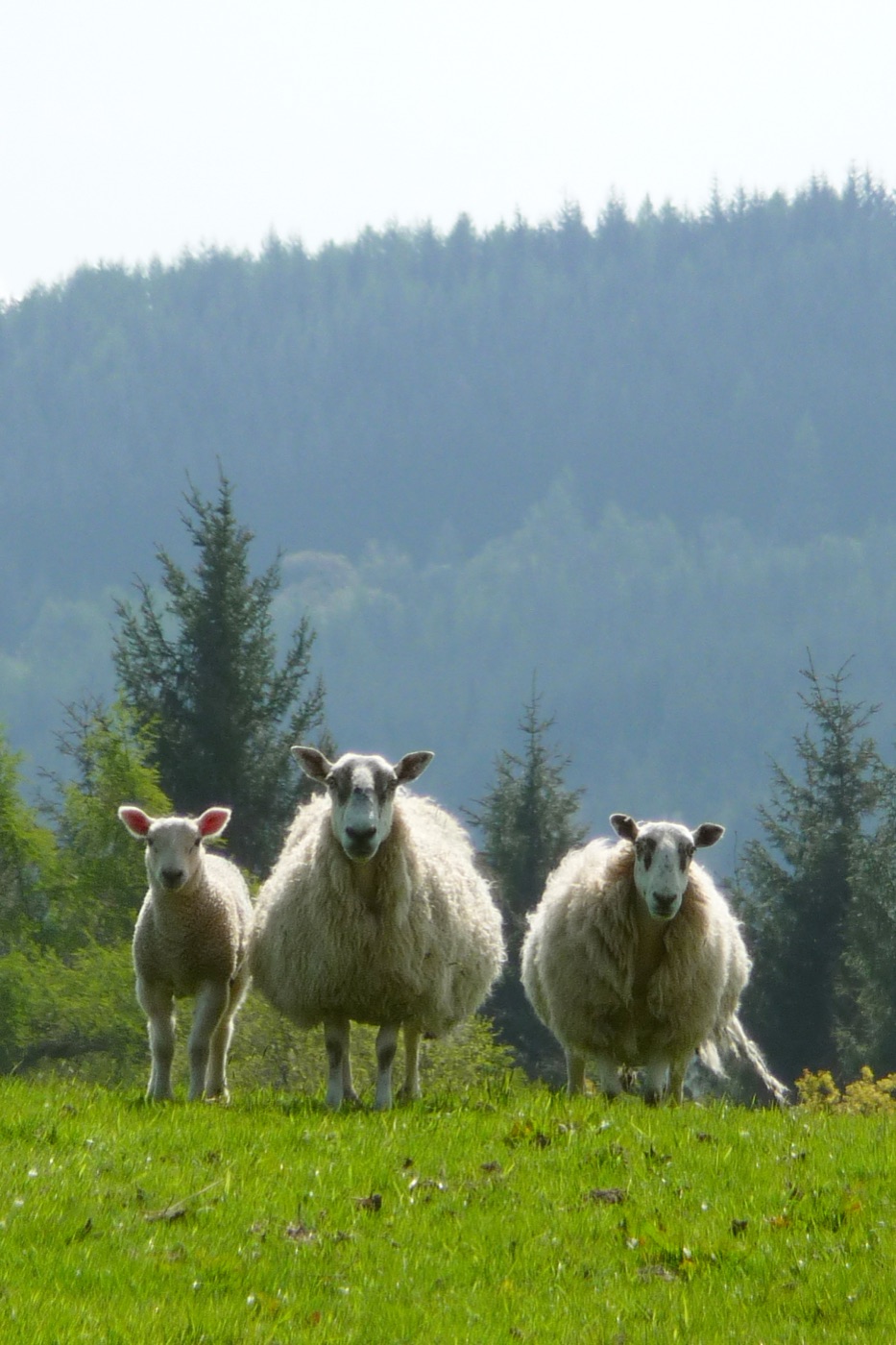
My work with public services and rural women began in 1992. I had friends on an isolated sheep farm in the Scottish Borders who were expecting a baby. Their situation prompted my undergraduate student survey of rural women's satisfaction with healthcare and how easily they could reach it. Maternity care was central, as distance from a hospital during pregnancy can be a real worry. Young mums around the Borders were compared with a similar group from Edinburgh city.
It was my first step into rural development research and practice, using the kind of consultation many of us run all the time to make things better. The experience shaped my thinking, yet nobody can say whether it improved a single healthcare decision. Publicly funded actions carry far greater expectations.
Later, in my job as a programme manager for Scotland's Highlands and Islands Partnership Programme, equal opportunities became central. EU investments raised one question. Who benefits, and has anyone been overlooked? Long before ‘leave no one behind’ became a UN and EU principle, every application, from roads and fishing ports to factories, had to show its contribution. Yet a worthwhile aim on paper is not proof of a difference made. That needs checking later.
Raising awareness, and then what?
Awareness raising is one such aim, and it can open doors. Officials and citizens hear about women's contribution to farming, food security and rural economies, and successful women-led enterprises gain deserved attention. My ministerial papers for FAO, EU-funded reform programmes in Central Asia and EU CAP Network policy briefs have all played their part.
Conferences, workshops and study visits share knowledge in a similar way. Good ones build trust and spark cooperation that no report could. Organisers can report attendance, satisfaction and publicity. Far fewer can say how many participants later changed a defined decision, a practice or a service because of the investment.
So consider a simple choice. One budget funds awareness raising for equal opportunities. Another of the same size goes directly into rural maternity care, helping pregnant women reach appointments and improving infant access to healthcare. Both might improve women's lives. Which does more good?
If we cannot answer with some confidence, it is hard to justify how we spend the money. Direct services are not always better value. And outreach does not prove its worth just because people say they found it useful.
A year worth measuring
The International Year of the Woman Farmer is awareness raising on a global scale, led by the world's foremost food and farming body. A full year of such effort deserves to be judged by what changes for women farmers. FAO has released new gender data, which provides a valuable baseline for measuring what the Year achieves.
Past themed years show why this matters. The EU's report on the European Year of Youth 2022 highlighted more than 13 000 activities in 67 countries, reaching over 91 million people. Those are outputs. What changed for young people is much harder to find.
Building on FAO's data, impact indicators for the Woman Farmer Year could track, for example,
- women's ownership of farmland and secure tenure
- women's access to credit and advisory services
- women's voice in farm organisations and local decisions
- the pay gap in agrifood jobs, where women earn 78 cents for every dollar men earn
- laws, budgets and programmes adopted because of the Year
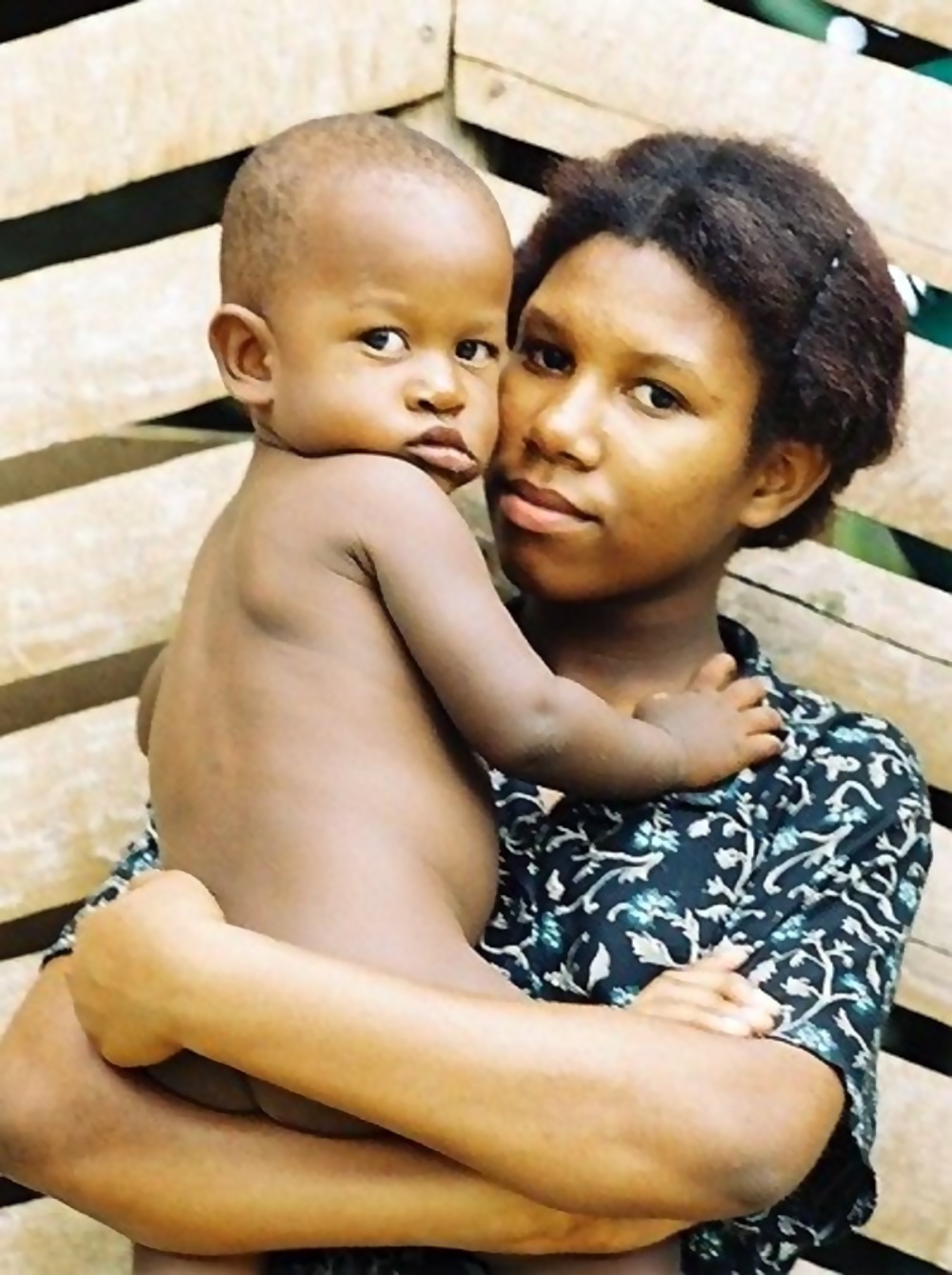
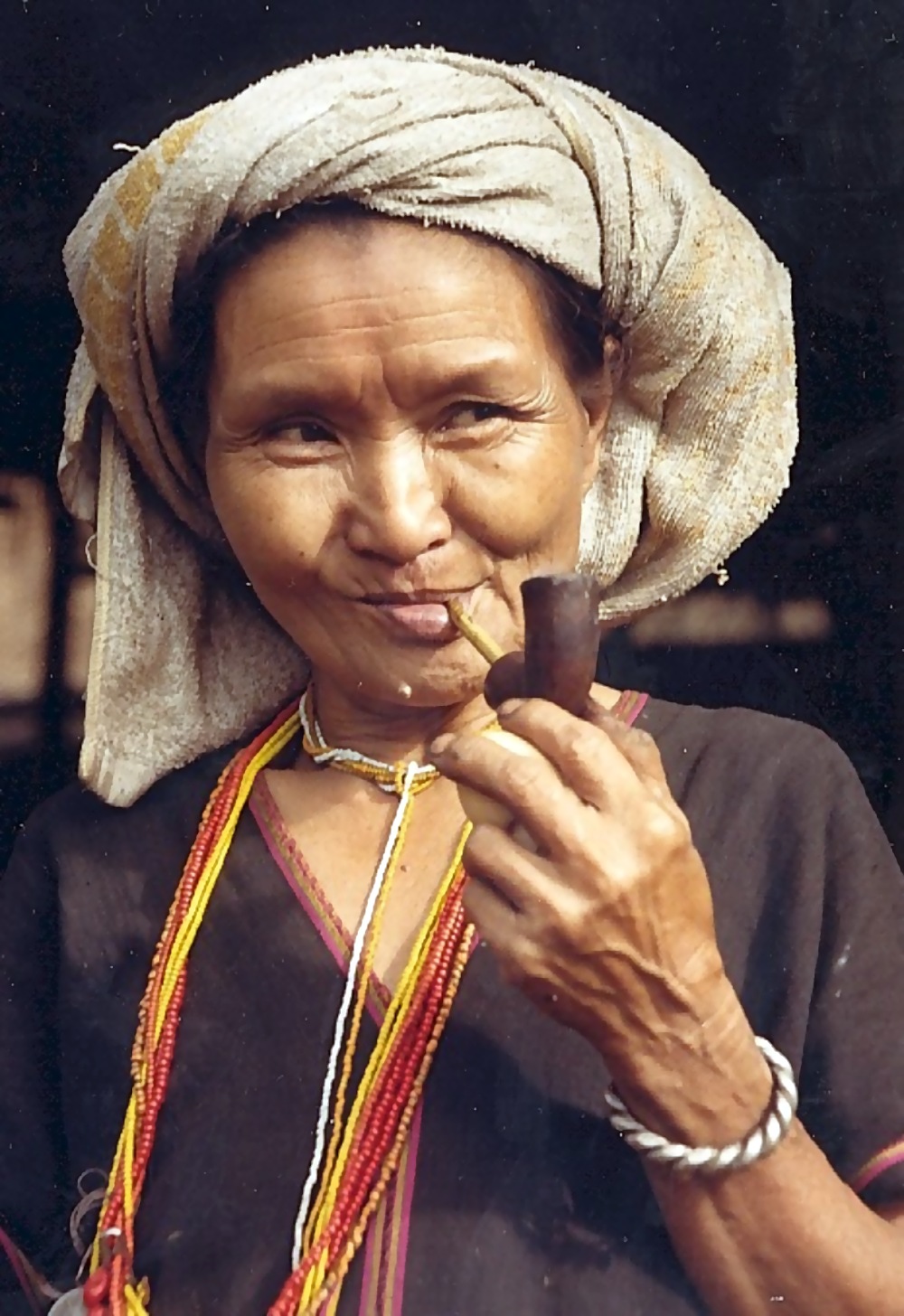
As the Year closes, now is a good moment to fix a baseline for such indicators. The activities are nearly all done, while their impact is only starting. Checking the figures three and five years on would show progress, while further evaluation could establish the Year's contribution.
Paying for impact
We can become highly skilled at delivering the ‘means’ while paying too little attention to the ‘ends’. Part of the problem is what we pay for. Contracts usually reward outputs, such as events held, reports delivered and people trained, because these can be checked before a contract ends. Impact, the lasting change in people's lives, often appears years later, after the money is spent and the team has moved on.
Paying for impact would need longer contract periods and different cash flows for funders, implementers and evaluators alike. That may sound hard. Yet no leaf stays on a tree, and funding rules can change for the better too. So why not change them, and what is stopping us?
Making good intentions count
Public institutions, the desk officers who commission programmes and, not least, the events industry as a whole could all pay much more attention to the impact of their spending.
Before funding an initiative, name the improvement it should bring and consider other ways to achieve it. Six or twelve months later, go back to the people concerned. What changed? What did it cost? What might have worked better?
This need not create another costly reporting industry. A few well-chosen measures and proportionate follow-up can reveal more than long accounts of activities completed. Some benefits, such as trust and new partnerships, take years to show, which makes ‘making the invisible more visible’ all the more important.
Imagine funders publishing what changed for people alongside what was delivered. Proven programmes could then earn the next round of money, and the same budgets could reach much further for rural women.
Before commissioning the next event, ask what the same money could achieve if spent directly on the people we intend to help.
Good intentions deserve good evidence. Doing more good with the same money is worth celebrating. #Food4Thought
Sources
These public sources are listed for readers, researchers and journalist colleagues who may wish to follow their own angles.
- International Year of the Woman Farmer 2026, FAO
- Aid cuts decimate services for women and girls, UN Women
- Federal programs, assessing and improving effectiveness, US GAO
- Foreign assistance, State lacked guidance for decisions, US GAO
- Dataset on women in agrifood systems, FAO
- Women farmers in figures, FAO
- FAO work for Europe and Central Asia, hudson.lu
- Women in Farming Platform, European Commission
- ARIA 2026, when equality powers the next generation, EU CAP Network
- Gender in agriculture and rural development, European Institute for Gender Equality (EIGE), Lithuania
- European Year of Youth 2022, European Commission