In 1986, Tim Hudson became a royal press photographer in London. It meant five cameras, a stepladder and unforgiving slide film, a crowded press pack chasing the same shot, and night trains across a Europe of borders and currencies, with local contacts waiting on station platforms. Long before email, it was a lesson in how international networks really work. It was also the start of a path to European rural development and international cooperation.
A young thing among the paparazzi
London, 1986. Before digital photography, email and megabytes, a 19-year-old photographer with Metropolitan Police press accreditation found himself in the extraordinary world of royal press photography.
Tim Hudson worked for a new London picture agency, established in 1985, supplying photographs to magazines across Europe and beyond.
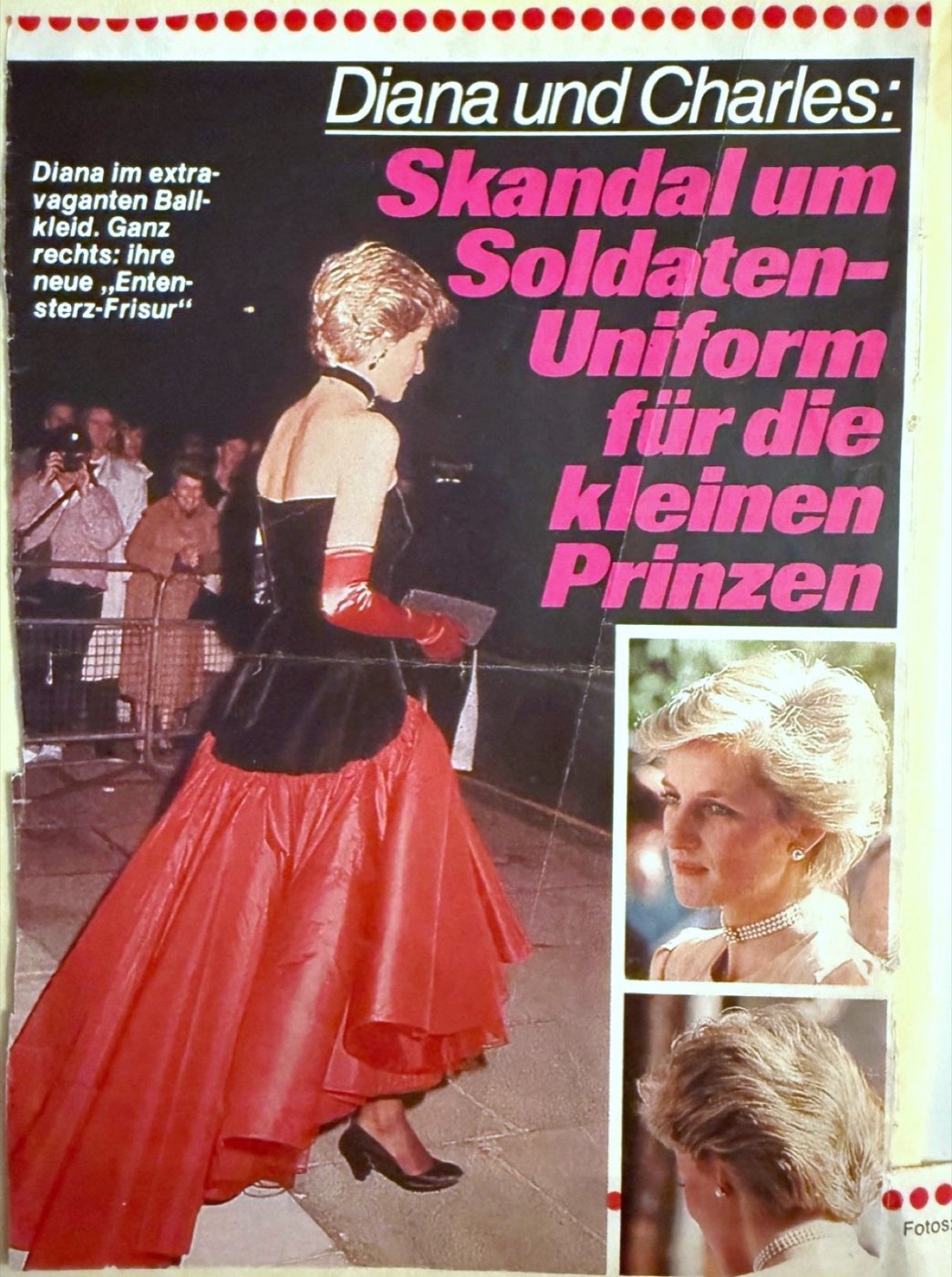
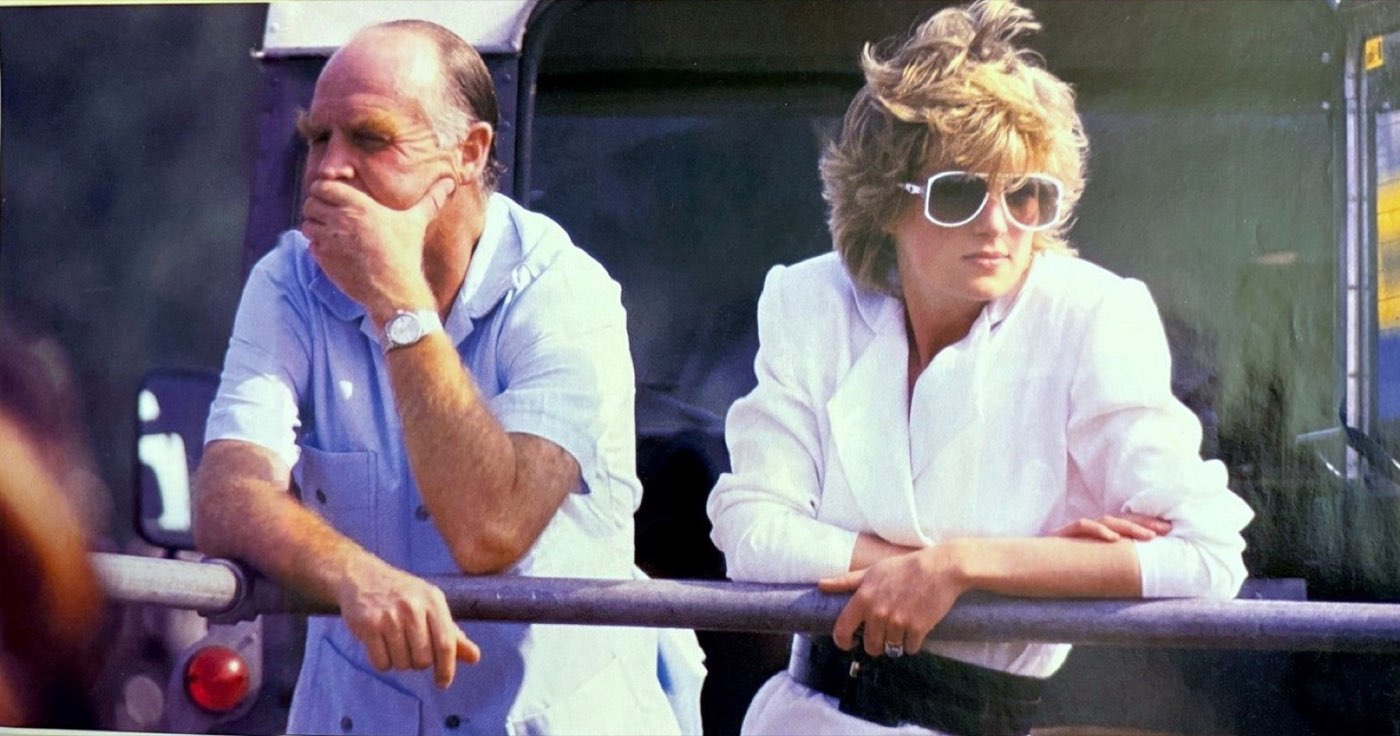
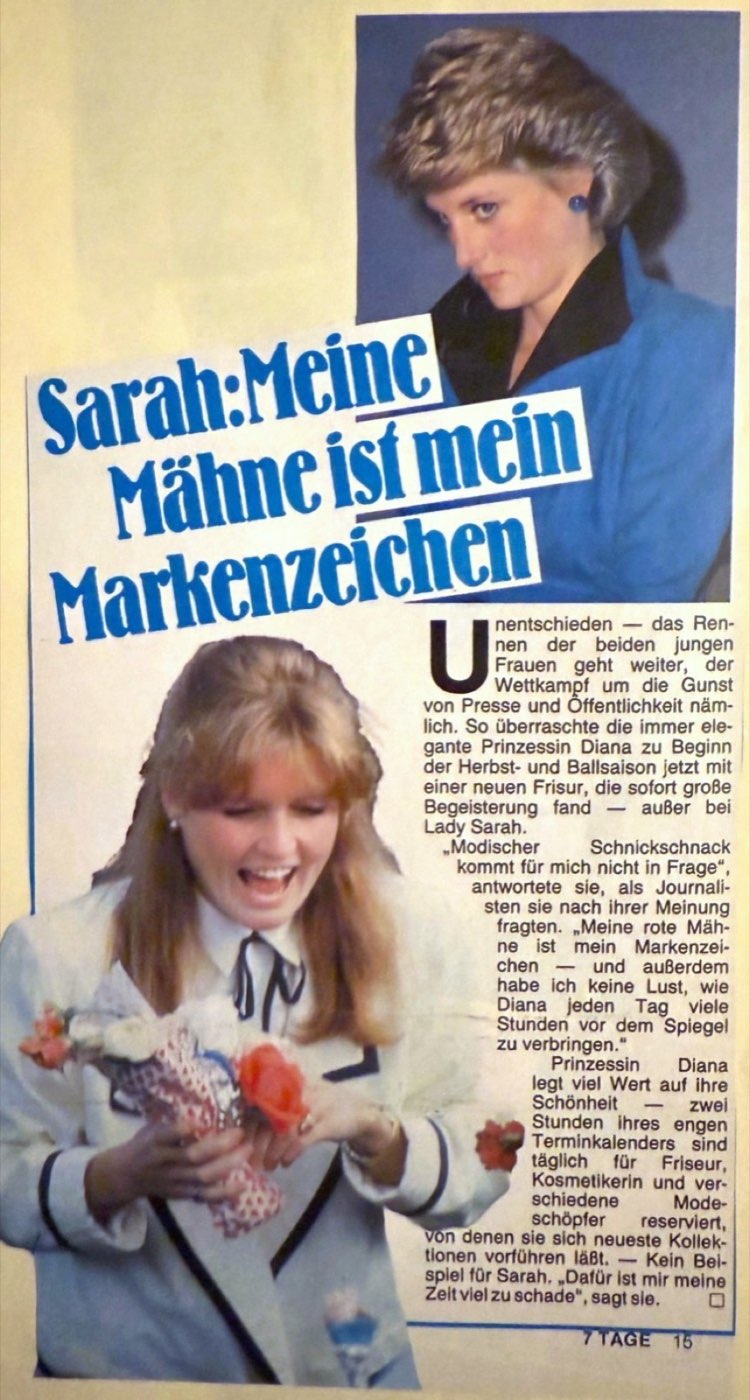
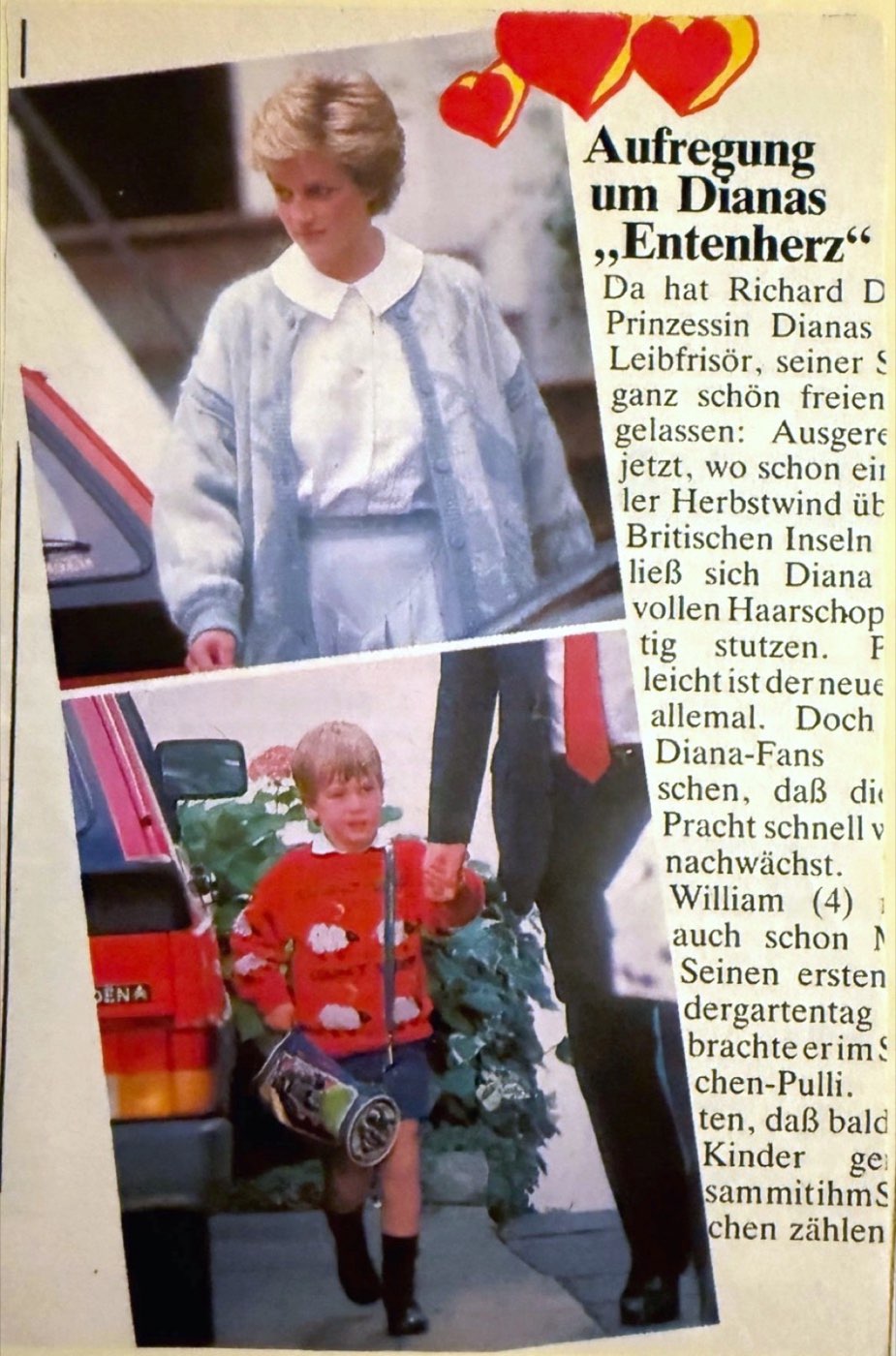
Royal photography was the agency's speciality, and it could pay well. On most working days, Tim would be somewhere in Britain photographing Princess Diana, often alongside the same small group of royal photographers.
He looked even younger than his years, and among the older, rougher photographers of the royal pack he stood out a mile.
Princess Diana sometimes appeared to notice him too.
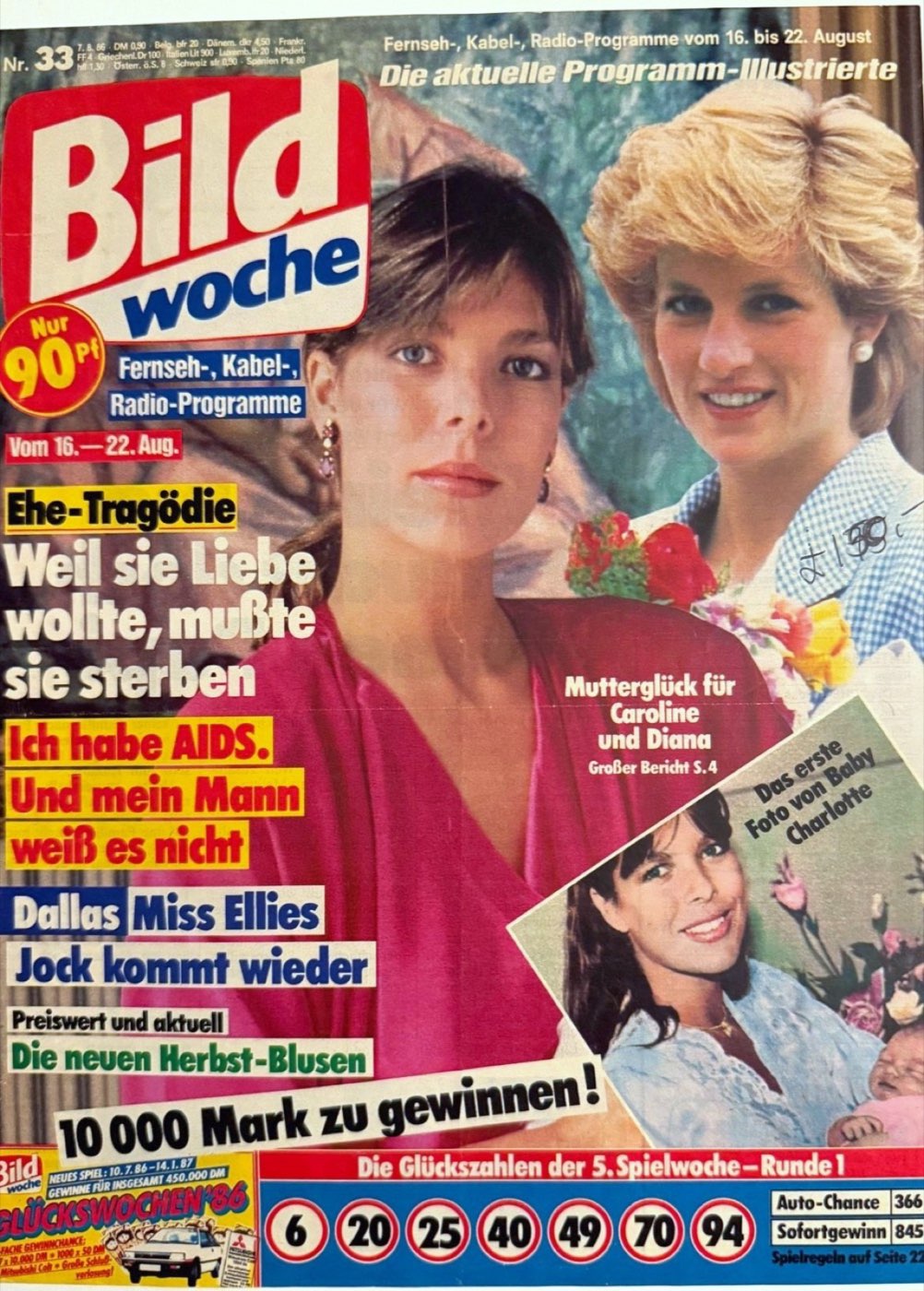
In crowded press pens, she would occasionally catch his eye with a look that seemed to ask what he was doing there again, as if he were too young for this rat pack and should be somewhere else.
Nobody could know what she was thinking, of course. But one of those memorable expressions survives on a magazine cover.
Five Nikons and a stepladder
Photographing royal engagements in the 1980s was considerably more demanding than pointing a modern camera and pressing a button.
Good zoom lenses were not yet commonplace, so photographers often wore several cameras, each fitted with a different lens.
Tim sometimes carried five Nikons at once.
One camera might be ready for close-up portraits, another for full-length photographs, another for group shots and another for wide landscapes or the surrounding scene.
Picture desks frequently wanted a complete photographic story rather than a single image. The more variety a photographer could capture, the better the chances of publication.
Running around a polo field or through a crowded high street with five cameras, a heavy camera bag and a stepladder was quite an athletic undertaking to get each photo set.
Everyone carried a stepladder to get above the crowd when they couldn't reach the front row. Chain locks were equally essential. Photographers used them to secure ladders in position and reserve valuable places in press pens.
The technical work required considerable skill. International magazines preferred colour transparency film, which offered little tolerance for exposure mistakes.
Cameras were largely manual. Photographers had to judge changing light, adjust exposure and focus instinctively, and capture the right moment before it disappeared.
A poorly exposed roll could mean losing an entire assignment.
The skills did not stop at the camera. Tim also needed to be an accomplished printer of high-quality colour photographs, including nine months printing in Hong Kong.
Colour printing meant reading colour, judging every cast by eye and correcting it until skin, sky and fabric looked true. All of it was done in pitch darkness, because colour paper reacts to any light. Some prints were as big as the long advertisements on metro station walls.
The friendly art of sabotage
Photographic quality was everything. Most of the photographers were passionate about their craft and always jostling for the best pictures.
But there was another competition taking place.
Everyone wanted to stop everyone else from getting published.
The tricks played between photographers and agencies could be outrageous.
Camera bags might mysteriously become locked, preventing their owners from changing equipment when they needed it most.
A colleague's stepladder could suddenly turn out to be chained to a tree or motorbike. The unfortunate photographer would discover this only when everyone grabbed their equipment and rushed towards the next opportunity.
Sometimes, while running in a pack, Tim would discreetly change the exposure settings on cameras hanging from the shoulders of photographers ahead of him.
A few altered settings could ruin someone else’s photographs.
Everyone was a target, and everyone knew the tricks.
The banter was relentless. They could be fierce rivals one minute and old friends the next.
Some were wonderfully eccentric, extraordinarily talented characters who went on to become celebrated photographers and journalists.
For a teenage newcomer, it was an unforgettable introduction to photography, deadlines and human behaviour.
Diana most days, everything else in between
Princess Diana was the agency's principal attraction.
There were polo matches, walkabouts, official engagements and countless opportunities to capture the photographs international magazines wanted.
When there was no suitable royal assignment, the agency looked for other stories that might sell internationally.
Celebrities, breaking news, major incidents and unusual human-interest stories were all possibilities.
Sunday newspapers provided particularly useful leads.
The team would identify interesting British human-interest stories, track down the people involved, telephone them and arrange to produce their own photographic coverage.
A story already familiar to British readers could be completely unknown to magazine editors in Germany, France, Italy, Spain, America or Australia.
The agency's international contacts made it possible to sell those stories around the world.
Some assignments were considerably darker than photographing royal engagements, including bombs in London and other serious incidents.
The one that got away at Balmoral
Every summer the royal family sailed round the Scottish coast on the Royal Yacht Britannia before their holiday at Balmoral, and the royal press pack followed.
Tim had passed his driving test only days earlier. In his first week behind the wheel, he drove his mother's car halfway round the Scottish coast in pursuit of Britannia.
At Balmoral, the rules changed. The main road along the River Dee sometimes gave a glimpse of the royals on the far bank, if you were lucky and arrived at the right moment. Photographers who knew where the paths ran along the river would wait on the opposite bank with a long lens, hidden in a bush or up a tree. A parked car was a giveaway, and the police searched for them constantly.
Once, from a bush across the river from the castle, Tim had just caught the Queen and Princess Margaret walking with the corgis when he heard panting. It grew louder and louder, closer and closer, until a German shepherd and a police officer hauled him out of the bush and sent him on his way.
Still not confident at the wheel, he was glad when Brendan, a friendly Aussie photographer, offered to drive. On one run along the river road, they passed a woman on the far bank who might have been Diana. Through the binoculars, Tim saw only someone with dark hair who looked nothing like her.
Their rival Jim was a few minutes behind them. At the same spot, he photographed Diana laughing and joking as she held Prince William upside down over the river.
The core of the royal pack always stayed in the same hotel near Balmoral, and every night in the bar brought loud tales from photographers from around the world. That night Jim bought champagne for everyone, celebrating what he hoped might be a million-pound picture.
The future heir to the throne had been dangled over the river. Jim had the picture. Tim had seen whatever he had seen. And Brendan was quietly ballistic.
The Newsweek surprise
One day at Heathrow, Tim telephoned the agency to confirm that photographs were safely aboard flights heading to Spain and France.
His boss was bursting with excitement.
"You've got a picture in Newsweek!"
Tim was rather less excited.
Having grown up in a small town beside the sea lochs of Scotland, he had absolutely no idea what Newsweek was.
The photograph showed a bombing at a British Airways office.
For the agency, a photograph in one of America's best-known news magazines was a real coup. It took Tim a little longer to understand why.
While Tim was concentrating on getting film onto aeroplanes and reaching his next assignment, his photographs were appearing in publications whose international influence he was only beginning to appreciate.
Europe by night train
Assignments could take Tim from Malmö to Lisbon, Heidelberg, Hamburg or Zeebrugge, often travelling overnight with an Interrail pass.
This was before the Schengen area and the euro. Every country meant another currency, another timetable and another logistical challenge.
The agency's international network made it possible.
At railway stations, trusted local press contacts would be waiting with the next country's currency, travel instructions and something to eat.
In France, sandwiches wrapped in silver foil sometimes arrived five at a time.
In Hamburg, contacts at the Bauer publishing group introduced Tim to his first Whopper hamburger, and in those days it really was a whopper.
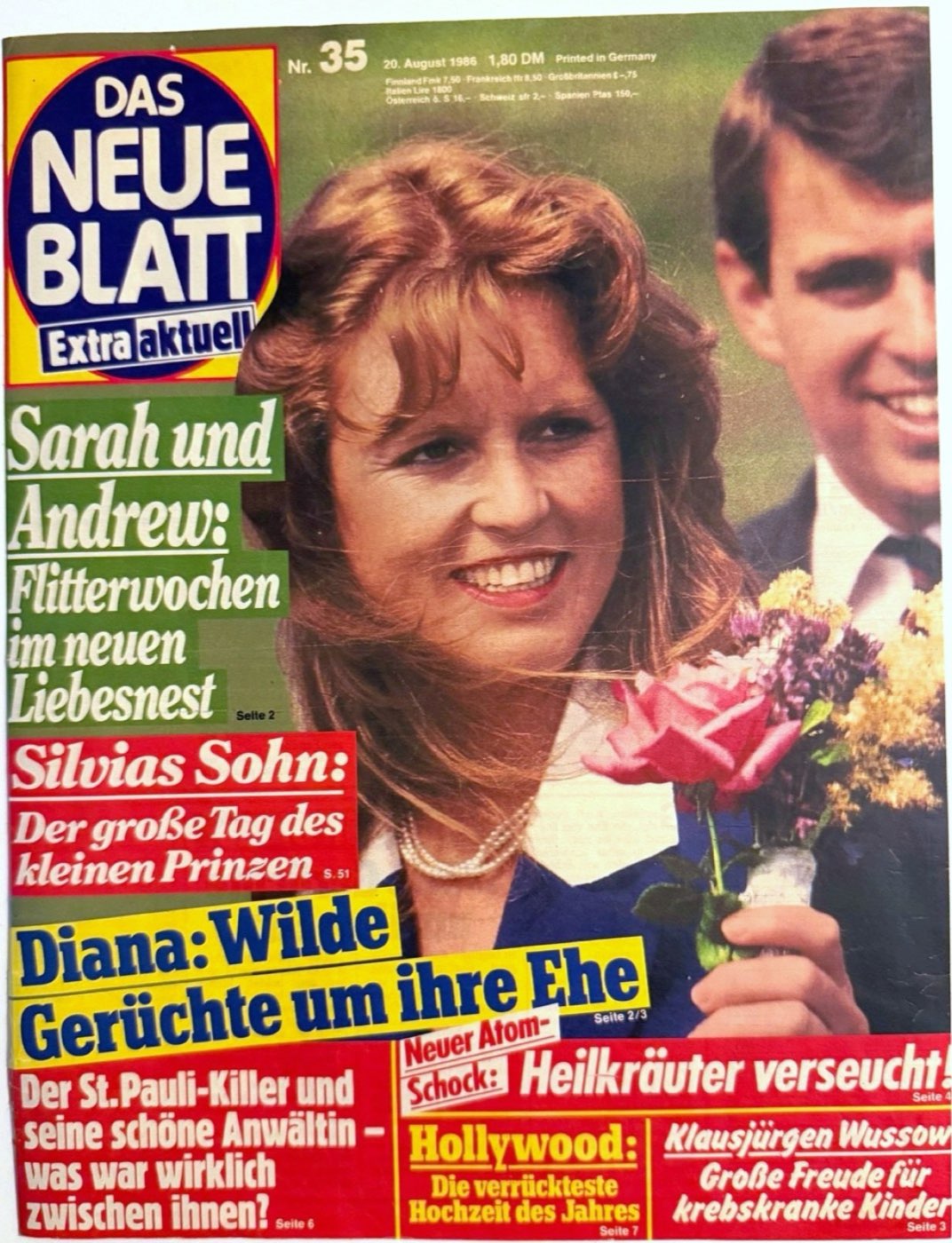
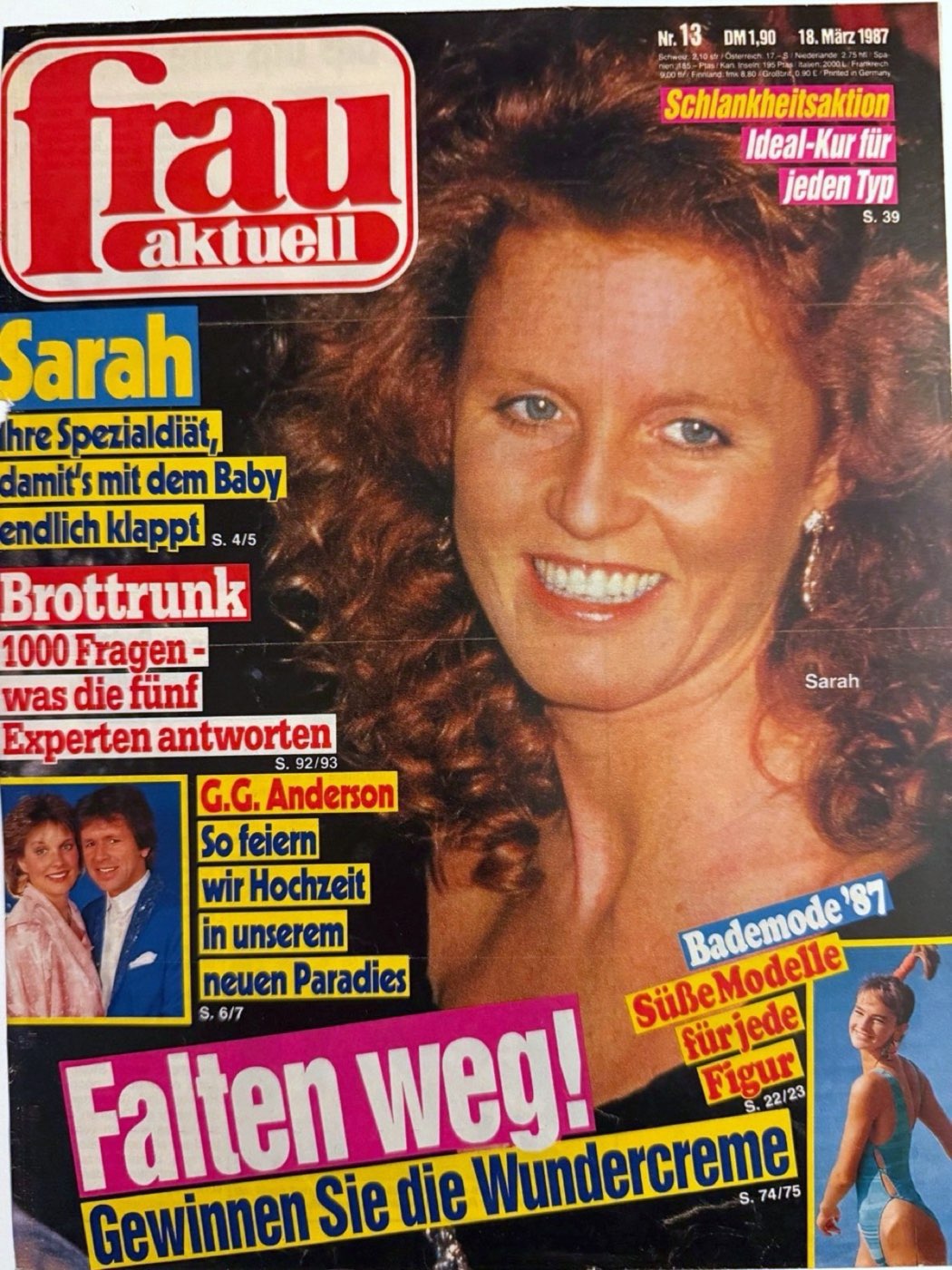
Many of these contacts went out of their way for a photographer travelling alone across Europe. Their help went far beyond meals and local currency. They were also links in the chain that carried his pictures into print.
Every roll of film had to be processed, captioned and on a picture desk before the printing deadline. So while Tim travelled on to the next assignment, his exposed films flew back to London by passenger plane.
From London, slides for American magazines even crossed the Atlantic aboard Concorde.
Long before digital communication, international publishing depended on an extraordinary network of trusted people, each helping the next person meet a deadline.
Swedish for a week
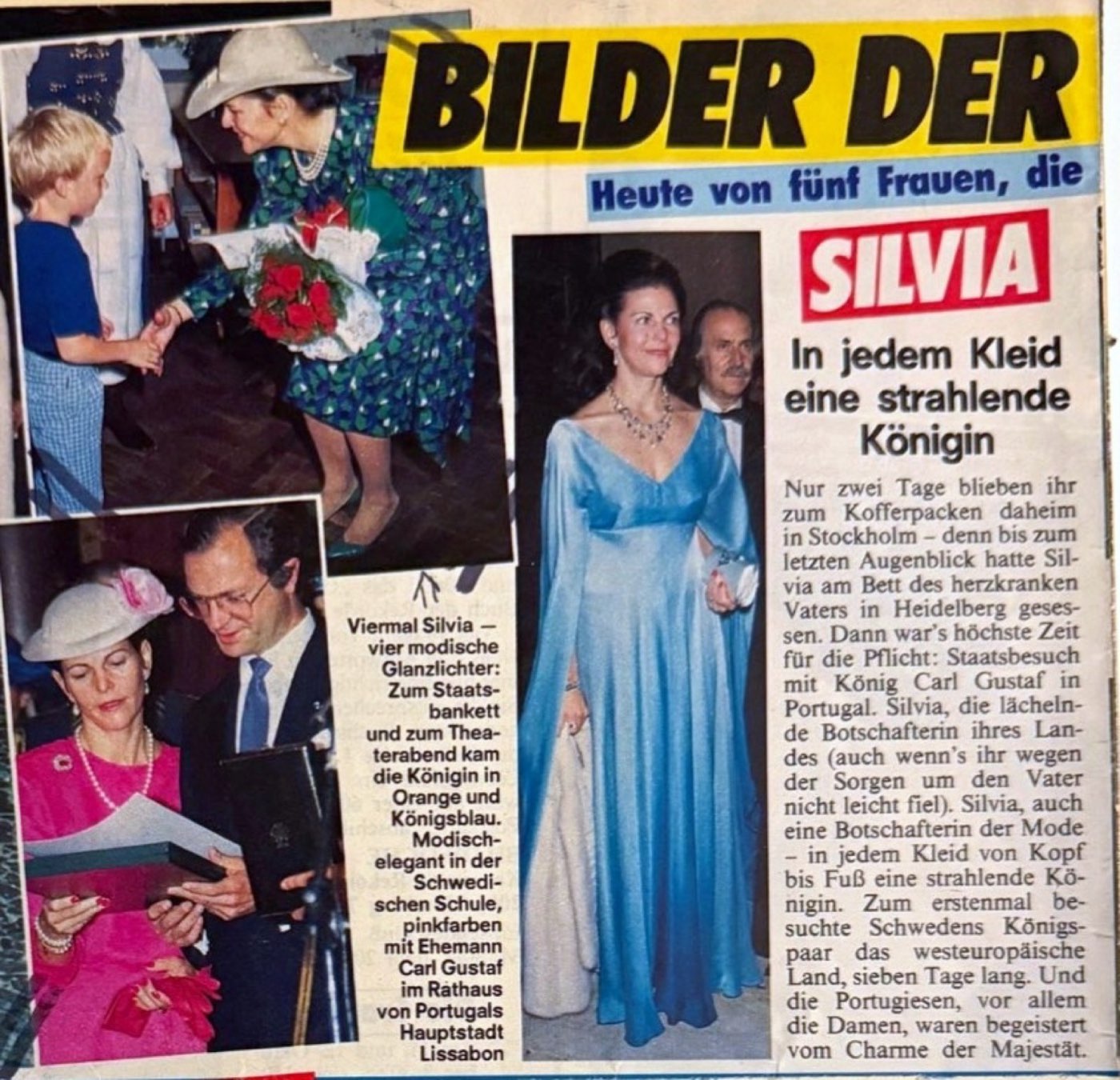
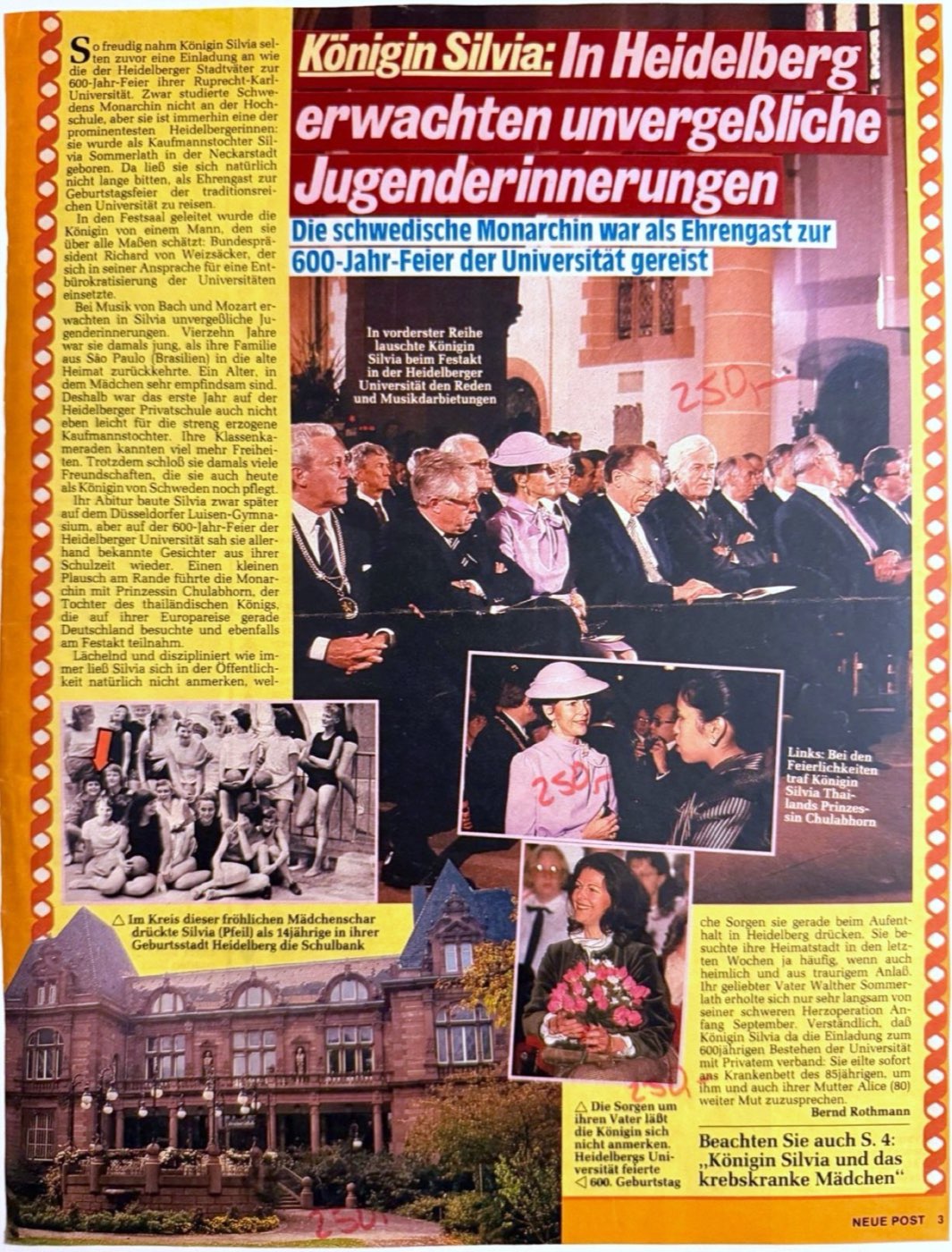
One particularly memorable assignment came when the agency arranged Swedish press accreditation for Tim to photograph King Carl XVI Gustaf and Queen Silvia during their week-long visit to Lisbon.
There was one complication.
He was told that, for the week, he needed to be Swedish for the Portuguese authorities to let him work on the assignment.
With his Interrail pass, camera equipment and the agency's network of contacts, he made his way across Europe to Portugal. For a photographer from Scotland’s Strathclyde region, it was quite an adventure.
Months later, on another assignment in Malmö, Queen Silvia recognised the unusually young photographer standing in the press pen.
She gave him a lovely smile.
It was a small moment, but one he has never forgotten.
The day Diana's look made sense
Two royal faces stayed with him from those years. Queen Silvia's smile seemed to say that the young photographer belonged. Diana's look had always seemed to ask what he was doing there at all.
International press photography offered remarkable opportunities, but the working environment could also be difficult.
After a particularly unpleasant assignment in Zeebrugge on a freezing cold day, it was Diana's look he remembered.
He decided that, whatever she had meant, perhaps she had been right.
This was an exciting world to have experienced, but it was not where he wanted to spend his future.
The photography had been thrilling.
The travelling had been even better.
At 19, crossing Europe had taught him that distant places were surprisingly accessible. With a railway ticket, a few useful contacts and enough determination, almost anywhere seemed possible.
That discovery inspired a much longer journey through Southeast Asia.
From royal photographs to international development
Returning from Asia, Tim decided to go back to studying and pursue a different career.
That decision eventually led into rural development, sustainable development, European public policy and international cooperation.
His work assignments changed completely, but several lessons from the photographic years remained surprisingly relevant.
Finding a worthwhile story, recognising its value elsewhere, building trusted international contacts and getting useful information to the right people at the right time were all familiar challenges.
The agency had shown how a small, committed team could operate internationally through relationships, resourcefulness and shared knowledge.
Years later, similar principles would underpin work with a LEADER Local Action Group around Loch Ness, European rural development networks and international exchanges of good practice.
Technology transformed the speed and scale of these connections.
The importance of people, trust, practical knowledge and cooperation endured.
And the fiercely competitive world of royal photography gave way to a career increasingly concerned with helping people and communities achieve more together.
Before international development, there were five Nikons, a stepladder, night trains and sandwiches in silver foil.
And networking was already everything.